
 11
11
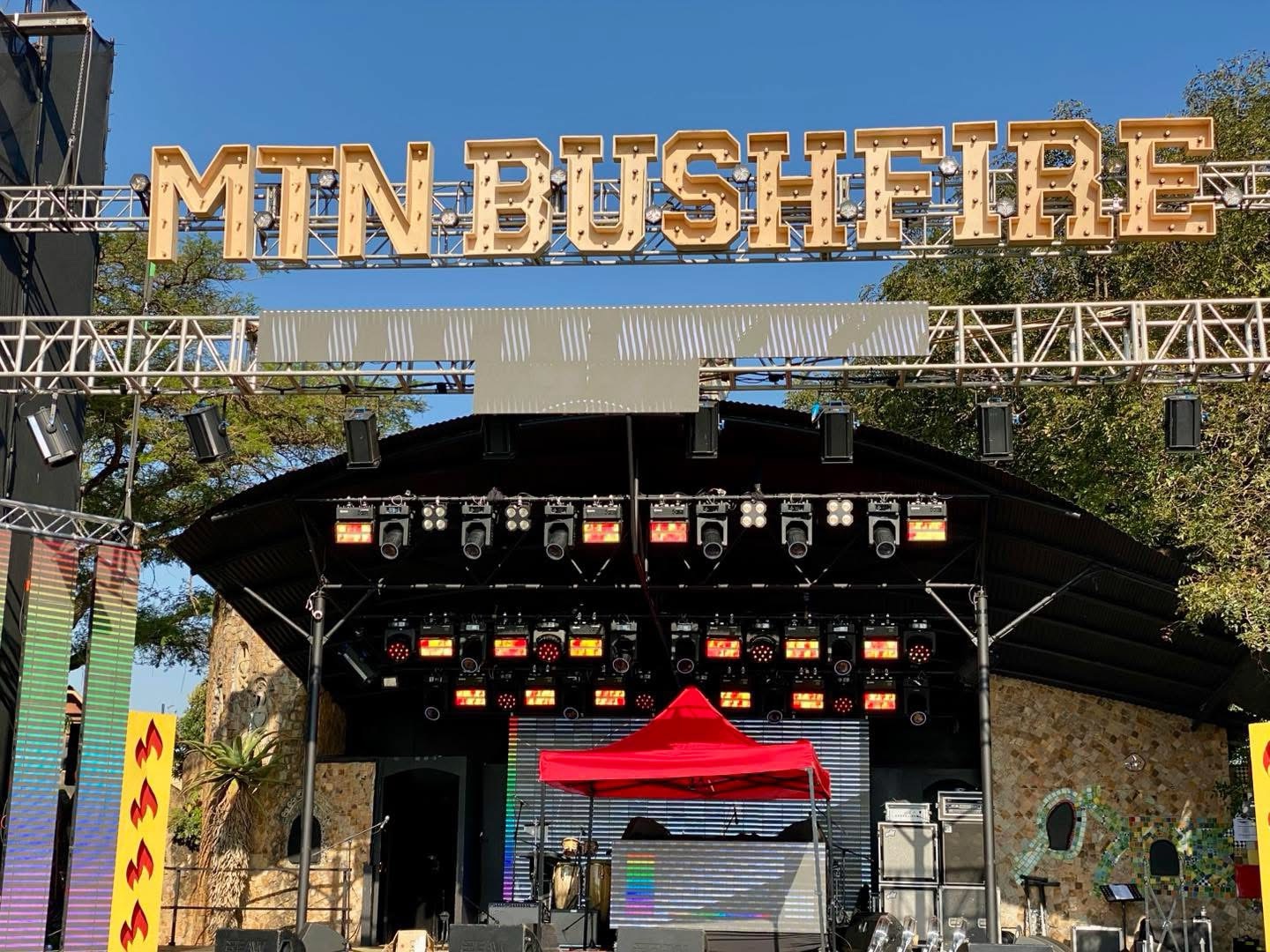
The Kingdom of Eswatini once again proved that the world will travel for a festival worth feeling in the bones. The MTN Bushfire Festival 2026, held from May 29 to 31, 2026 on the lush Malkerns Valley, drew a remarkable wave of international arrivals, cementing the event’s standing as one of Africa’s most magnetic multicultural gatherings, and a powerful engine for the country’s tourism economy.
Over the five-day reporting period from 27 to 31 May, border posts recorded 28,392 international visitors alongside 22,011 Emaswati residing abroad returning home for the celebration. Most striking was the year-on-year growth: international arrivals surged by 54.5% compared to the same period in 2025, a leap that speaks volumes about Bushfire’s deepening global pull.

Eswatini Tourism Authority Chief Executive Officer, Vusie N. Dlamini, said the figures reflect more than a successful festival weekend.
“Bushfire has become a flagship of Brand Eswatini. When more than 28,000 international visitors choose to cross our borders for one event, it tells us that the world is not only hearing about our Kingdom, they are choosing to experience it for themselves,” said Dlamini. “Our task now is to convert that single weekend of magic into a lasting relationship with the destination, so that every visitor leaves as an ambassador for Eswatini.”
A DIVERSE AND GROWING VISITOR MAP
South Africa remained the dominant source market, accounting for 64.0% of international arrivals, followed by Mozambique at 16.8% and Zimbabwe at 5.8%. Lesotho and Tanzania rounded out the top five regional markets.
Encouragingly for long-haul tourism ambitions, overseas markets featured prominently. The United States of America led international source markets at 1.5%, with France and the Netherlands each contributing 0.6%, and the United Kingdom and Germany each at 0.5%.

“The presence of visitors from the United States, France, the Netherlands, the United Kingdom and Germany is particularly significant,” Dlamini noted. “These are key long-haul markets, and their growing interest signals that Eswatini is firmly on the global tourism map. Bushfire opens the door, and our wider tourism offering keeps them coming back.”
Travel patterns also pointed to encouraging economic signals, with most visitors arriving in groups, as couples, families, friends and colleagues, a behaviour that traditionally lifts spending across accommodation, transport, dining and entertainment.
BEDS FULL ACROSS THE CORRIDOR
The hospitality sector felt the festival’s warmth directly. Average room occupancy reached 78.6%, up 4.9 percentage points from the 73.7% recorded in 2025. Hotels led the way at 83.0%, while Game and Nature Reserves posted an impressive 78.9%, evidence of rising appetite for nature-based and experiential stays. Guesthouses recorded 61.5% and Bed & Breakfast establishments 55.8%.
Regionally, Manzini topped occupancy at 82.3%, followed by Ezulwini at 80.5% and Mbabane at 73.0%. A notable rise in camping uptake further underscored a shift toward immersive, experience-driven travel that mirrors Bushfire’s own free-spirited ethos.
Many visitors arrived as early as Wednesday, ahead of the official opening, extending the festival’s economic ripple across a longer window and easing the familiar border and traffic congestion.
MORE THAN A FESTIVAL
As the embers of Bushfire 2026 settle, the message for the tourism industry is clear: the festival is no longer simply an event on the calendar, but a cornerstone of Eswatini’s destination marketing strategy.

“MTN Bushfire reminds us of who we are, a warm, vibrant, welcoming nation with a story the world wants to be part of,” Dlamini concluded. “Our job is to keep that fire burning long after the last performance, so that the Kingdom of Eswatini remains a destination of choice, today and for generations to come.”


