11
11
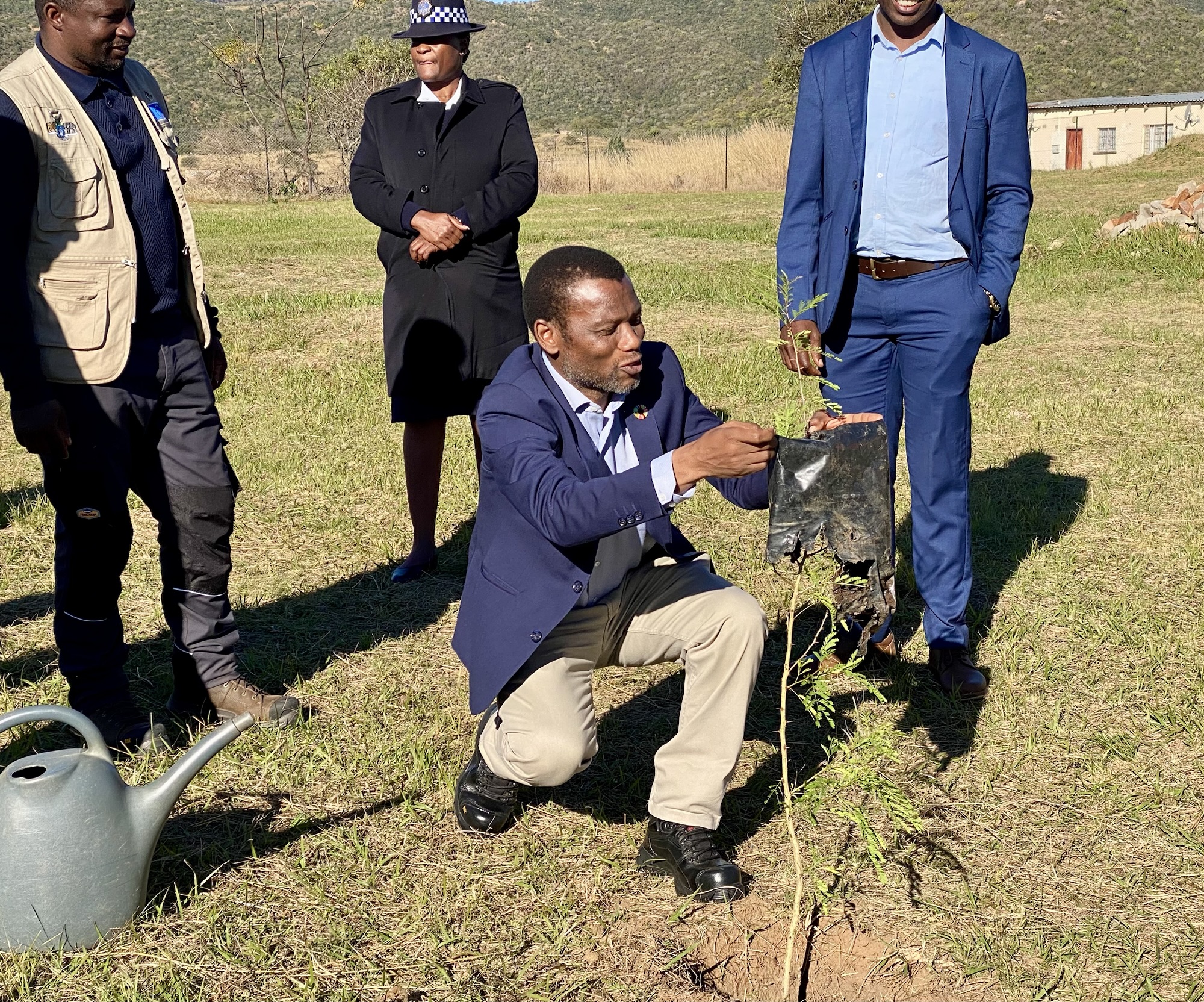
The Kingdom of Eswatini marked World Environment Day 2026 under the theme “Climate Action through Restoring Rangelands and Reviving Biodiversity for a Sustainable Future, at Ka Mnyani Community, Mahlangatsha Inkhundla, on June 5, 2026. A call for environmental stewardship to be localised in every home, school and community.
Delivering remarks on the day, Acting Minister for Tourism and Environmental Affairs, Apollo Maphalala, said climate action was no longer confined to conference rooms and international fora, but was taking shape in communities, on rangelands, and through the collective efforts of emaSwati. He noted that the country continues to face changing rainfall patterns, prolonged dry spells, land degradation, declining biodiversity and the spread of invasive alien plant species, challenges that affect ecosystems, livelihoods, food security and water resources alike.

The Minister reaffirmed His Majesty’s Government’s commitment to addressing these challenges, highlighting recent progress on environmental governance. Government has gazetted the Ozone Depleting Substances and Hydrofluorocarbons Regulations, 2025, strengthening the country’s obligations under the Montreal Protocol and Kigali Amendment. The Climate Change Bill, Chemicals and Waste Management Bill, and Forestry Bill are at advanced stages and are expected to be tabled before Parliament during the third session of the 12th Parliament.

He further pointed to strategic national frameworks guiding the country’s response, including the National Development Plan, the Government Programme of Action, Eswatini’s Nationally Determined Contribution (NDC) 3.0, and the National Adaptation Plan currently being finalised.
Central to the day was the EU-supported livestock and rangeland rehabilitation programme, which the Minister praised as a model linking environmental restoration with sustainable livelihoods and climate adaptation. The rehabilitation of rangelands, he explained, improves soil health, water retention and vegetation cover while strengthening ecosystem services. He encouraged the Eswatini Environment Authority and Eswatini Bank, as candidate Direct Access Entities to the Green Climate Fund, to work with partners in developing an ambitious project pipeline to scale up the model across all Tinkhundla.

The occasion also celebrated fifty years of cooperation between Eswatini and the European Union, acknowledging the EU’s support towards environmental sustainability, climate resilience, biodiversity conservation and rural development.
Closing his remarks, Minister Maphalala urged all emaSwati, especially young people, to become champions of environmental sustainability, reminding the nation that every restored hectare, every invasive species removed and every ecosystem protected contributes to a more sustainable future.