11
11
By Ntokozo Zwane
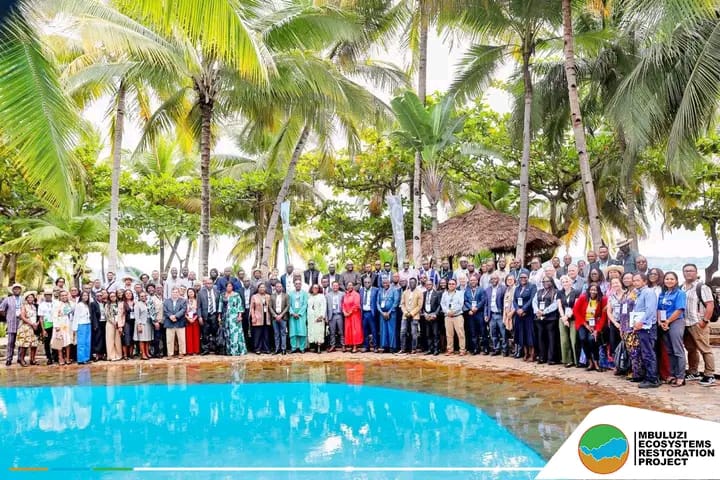
Eswatini has once again taken centre stage on the continental environmental platform, showcasing how restoring landscapes can also create opportunities for sustainable tourism, biodiversity conservation, and resilient rural communities. At the 9th AFR100 Annual Partnership Meeting (APM9), held in Nosy Be, Madagascar, from July 20–24 , 2026, the Kingdom shared its remarkable progress in Forest Landscape Restoration (FLR), positioning itself as a growing leader in ecosystem recovery across Africa.
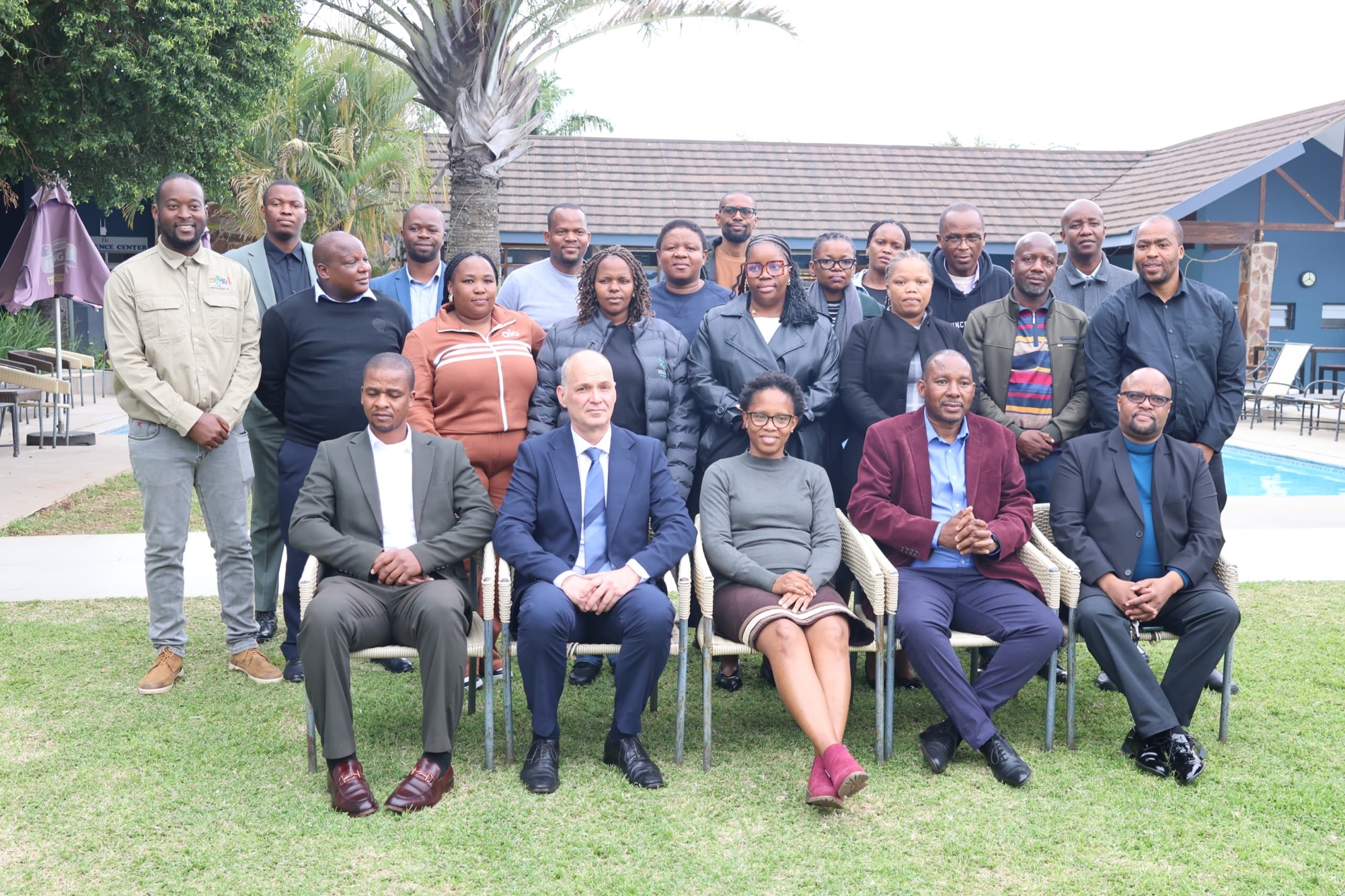
The Mbuluzi Ecosystems Restoration Project (MERP), implemented by the Eswatini National Trust Commission (ENTC), represented the country at the high-level gathering hosted by the African Union Development Agency (AUDA-NEPAD). The delegation included AFR100 Focal Point and National Field Officer Lungelo Dlamini, Regional Field Officer Funwako Dlamini, Eswatini’s National AFR100 Focal Point Phila Sifundza from the Ministry of Agriculture, and Alternate National AFR100 Focal Point Mbhekeni Nxumalo from the Ministry of Tourism and Environmental Affairs.
During the meeting, Eswatini highlighted the achievements of the Mbuluzi Ecosystems Restoration Project, demonstrating how environmental restoration is transforming degraded landscapes into healthier ecosystems that support wildlife, local livelihoods, and nature-based tourism.

The country’s presentation featured sustainable land management, climate-smart agriculture, rangeland restoration, donga (gully) rehabilitation, reforestation initiatives, and protected area management aimed at conserving biodiversity for future generations.
Beyond presenting its success stories, the Eswatini delegation actively participated in regional discussions focused on the lessons, challenges, and opportunities surrounding Forest Landscape Restoration across Southern Africa. The country also updated partners on its commitment under the AFR100 initiative, drawing attention to the recently established National AFR100 Multi-stakeholder Platform. The platform unites government institutions, academic experts, civil society organisations, the private sector, and local communities to strengthen collaboration and accelerate restoration efforts nationwide.

For the travel and tourism sector, healthy landscapes are more than environmental assets, they are the foundation of memorable visitor experiences. Restored forests, thriving wildlife habitats, and protected natural areas enhance Eswatini’s appeal as an eco-tourism destination while safeguarding the country’s rich natural heritage. As the delegation returns from Madagascar with new knowledge, stronger regional partnerships, and fresh ideas, the benefits are expected to extend beyond conservation to communities that depend on healthy ecosystems for agriculture, livelihoods, and tourism.
Eswatini’s participation at APM9 demonstrates that investing in environmental restoration is also an investment in the country’s tourism future. By restoring landscapes today, the Kingdom is creating greener destinations, protecting biodiversity, and ensuring that generations of travellers will continue to experience the beauty and resilience of the Mbuluzi River Basin and the nation’s diverse natural treasures.