11

By: Nonophile Khumalo
EZULWINI- Eswatini is strengthening its approach to biodiversity conservation and the sustainable use of natural resources through the ongoing national validation of the National Biodiversity Strategy and Action Plan (NBSAP 3.0), with biodiversity recognised as an important component of the country’s development, environmental and tourism agenda.
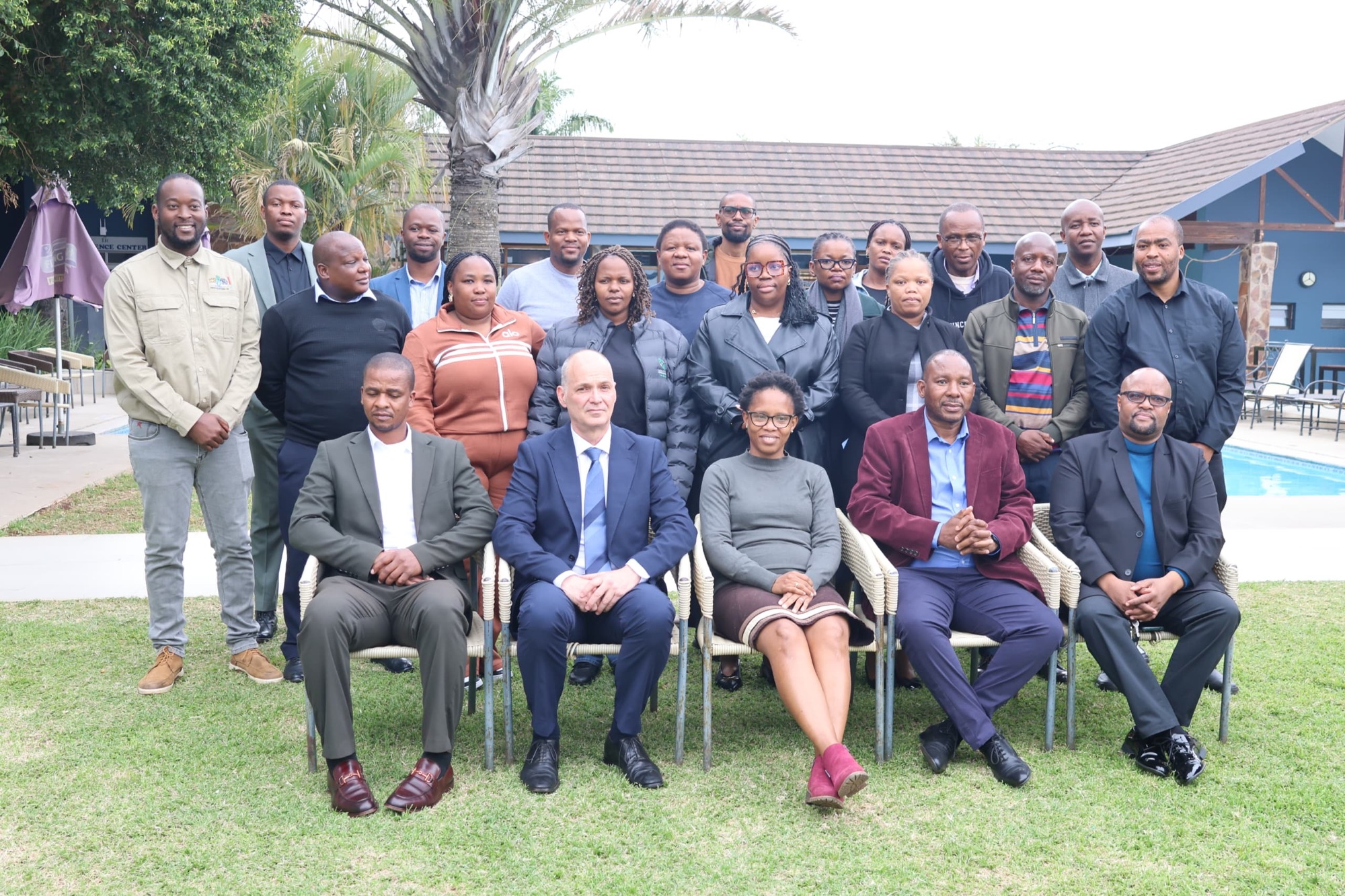
On September 29, 2026 the workshop brought Government institutions, development partners, traditional authorities, civil society, academia, the private sector and other relevant stakeholders to review and validate the final draft of NBSAP 3.0 before its finalisation and adoption.
The strategy is expected to serve as Eswatini’s principal framework for biodiversity conservation and sustainable use for the period 2026 to 2035. It seeks to translate the Kunming-Montreal Global Biodiversity Framework into national priorities, targets and practical actions, while reflecting Eswatini’s national circumstances and development priorities.
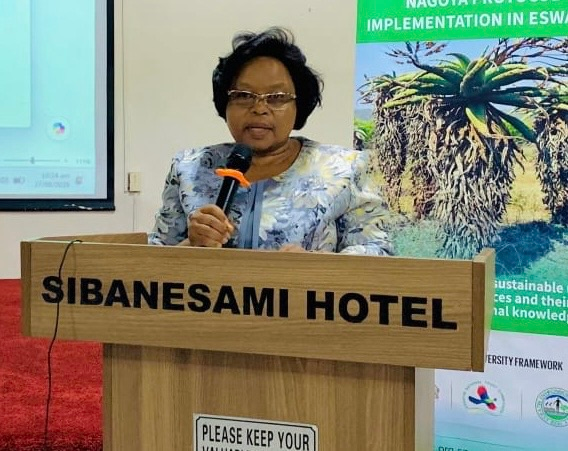
Opening the workshop, Minister of Tourism and Environmental Affairs Jane Mkhonta-Simelane emphasised the importance of biodiversity to the country’s broader development agenda.
“Biodiversity is fundamental to the wellbeing and development of our nation. Our ecosystems support food production, water security, tourism, livelihoods, cultural values and climate resilience. Conserving these resources is therefore not only an environmental responsibility, but an important component of our broader national development agenda,” she said.
The Minister’s remarks highlighted the interconnected nature of biodiversity and the wider economy, particularly sectors that depend directly or indirectly on healthy ecosystems.
For the tourism sector, NBSAP 3.0 carries particular significance as Eswatini’s natural environment forms an important part of its tourism offering. Wildlife, landscapes, forests, wetlands and other ecosystems contribute to nature-based tourism experiences, while supporting communities and businesses that benefit from the country’s natural heritage.
The validation process is therefore providing stakeholders with an opportunity to assess whether the strategy adequately reflects Eswatini’s biodiversity priorities and whether its proposed actions, implementation arrangements and responsibilities provide a realistic basis for delivery.
Stakeholders are reviewing the proposed national biodiversity targets and strategic actions, while also examining institutional roles and responsibilities, implementation mechanisms, stakeholder participation and measures for monitoring and reporting.
Particular attention is being given to the participation of communities, youth, women, traditional authorities, the private sector, academia and civil society, recognising the role of different stakeholders in achieving biodiversity conservation and sustainable use objectives.
The development of NBSAP 3.0 has involved consultations with a broad range of stakeholders, whose contributions have helped shape the proposed strategy and ensure that national priorities are reflected in the final document.
The validation workshop is now providing an opportunity to identify remaining gaps, seek clarification and make practical recommendations that can strengthen the strategy before it is finalised.
The implementation of NBSAP 3.0 is expected to require coordinated action across sectors, the integration of biodiversity considerations into national planning and budgeting, resource mobilisation, institutional capacity building, monitoring and reporting, as well as meaningful participation from communities and other stakeholders.
The workshop is expected to conclude with recommendations aimed at strengthening the final draft ahead of its adoption.
With biodiversity recognised as a shared national responsibility, NBSAP 3.0 seeks to establish a coordinated framework for protecting Eswatini’s natural heritage while supporting sustainable development, livelihoods, climate resilience and the continued growth of the tourism economy.