
 11
11
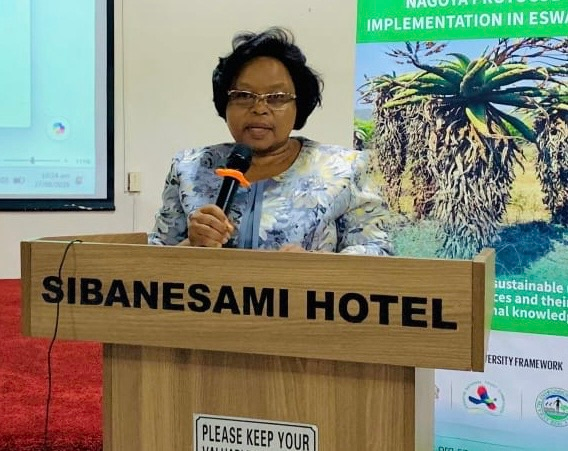
By: Nonophile Khumalo
EZULWINI — Eswatini is strengthening efforts to protect its biodiversity, recognising that the country’s natural resources are central to its tourism offering and must be preserved for future generations.
The move is part of a project to strengthen Eswatini’s policy, legislative and institutional framework for Access and Benefit-Sharing (ABS), helping ensure communities and custodians of genetic resources and traditional knowledge benefit fairly from their use.
Speaking at the launch, Minister of Tourism and Environmental Affairs Jane Mkhonta-Simelane said the country’s biological diversity and genetic resources are valuable national assets supporting ecosystems, traditional practices and rural livelihoods and that protecting this wealth must now translate into tangible benefits for the communities who have safeguarded it for generations.
For tourism, she said forests, wetlands, grasslands, medicinal plants and other biological resources are central to the experiences that draw visitors to Eswatini, meaning biodiversity should be seen not only as an environmental resource but as an opportunity to grow tourism and benefit local communities.

Speaking as Eswatini advances NBSAP 3.0 and strengthens its ABS approach under the Convention on Biological Diversity, the Minister stressed that conservation and development cannot be treated as competing priorities. Eswatini ratified the Nagoya Protocol in 2016, and with support through the GBFF-funded project, now has the opportunity to move from commitment to implementation through a clear, inclusive national ABS framework.
The stakes are significant: without an effective framework, Eswatini remains vulnerable to biopiracy , exploitation of genetic resources or traditional knowledge without fair recognition or benefit-sharing, while communities risk missing the economic opportunities tied to resources they’ve protected for generations.

Mkhonta-Simelane called for the process to extend beyond government offices, with communities, young people, researchers, traditional knowledge holders and the private sector all playing a role and urged Government departments, the private sector, research institutions, Traditional Authorities and local communities to work together on sustainable resource use.
Government remains committed to managing these resources responsibly so their benefits support conservation, development and improved livelihoods, sustaining the Kingdom’s tourism assets for generations to come.
With the public review of NBSAP 3.0 open until 4 September 2026, Mkhonta-Simelane urged emaSwati to contribute their ideas.


