
 11
11
By Ntokozo Zwane
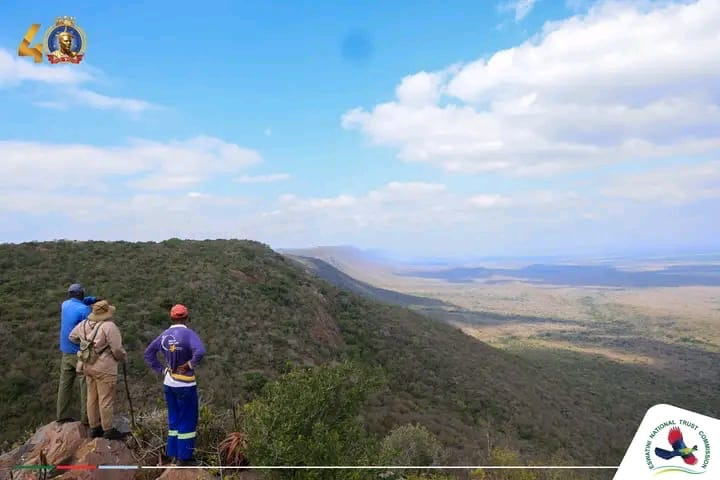
Hidden within Eswatini’s breathtaking Lubombo region are landscapes where history, culture, and nature converge. As part of the Matsanjeni North Inkhundla Cultural Heritage-Based Sustainable Tourism Project, heritage mapping is uncovering remarkable sites that preserve the nation’s ancestral legacy while creating new opportunities for sustainable tourism.

Among these treasures is Liwala Mngometulu, a sacred site that carries the oral histories and ancient footprints of early Bantu migrations along the Lubombo Escarpment. These cultural landmarks reveal the journeys of clans that settled, moved, and shaped the region, offering visitors a deeper connection to Eswatini’s rich heritage.
Equally significant is the Jilobi Forest in the Lukhetseni community, a biodiversity hotspot renowned for its wealth of indigenous medicinal plants. Often described as a living pharmacy, the forest safeguards generations of traditional healing knowledge while highlighting the importance of conserving Eswatini’s natural ecosystems.

At the heart of the initiative is a community-led approach that transforms cultural heritage into sustainable tourism opportunities. By linking local history, environmental conservation, and economic development, the project empowers communities to protect their heritage while welcoming visitors to experience authentic Eswatini.
Proudly funded by the European Union through the Eswatini National Commission for UNESCO, the project demonstrates the power of partnership in preserving cultural identity and promoting inclusive, heritage-based tourism.
As heritage mapping continues, the sacred stories, forests, and mountains of Matsanjeni North are being documented for future generations, inviting the world to discover one of Eswatini’s most inspiring cultural landscapes.


