11
11
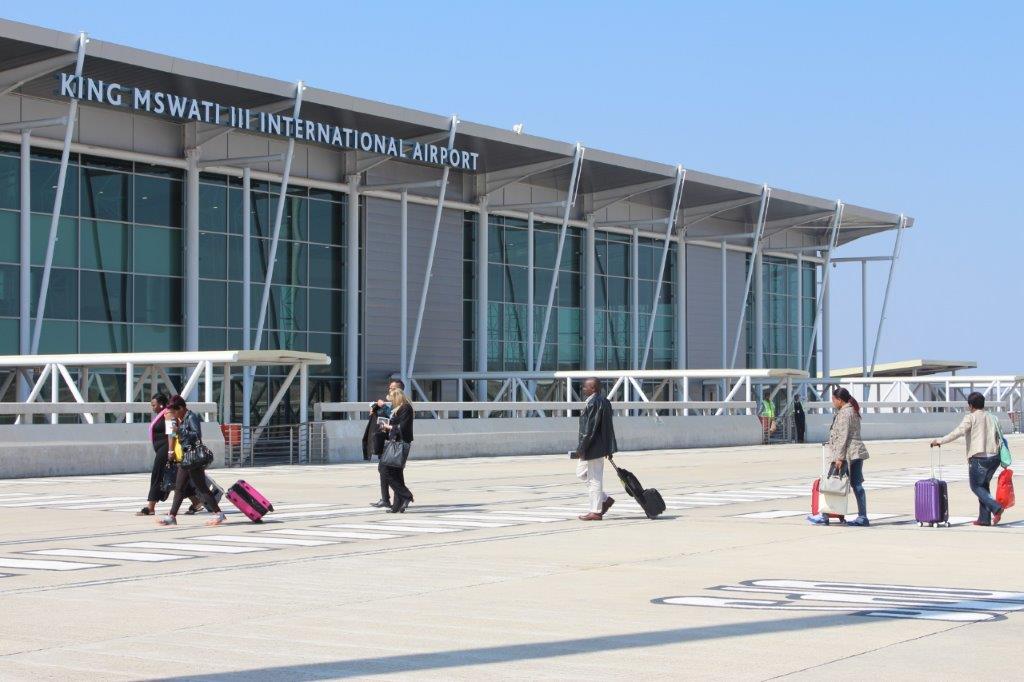
For travellers arriving at King Mswati III International Airport, the first impression of Eswatini has long been one of warmth and natural beauty. That experience is now being strengthened by a bold environmental commitment. The country’s main airport has launched Phase 1 of its Environmental Sustainability Strategy (2025–2030), a blueprint aimed at transforming the facility into one of Southern Africa’s leading green airports.
More than an operational upgrade, the strategy positions Eswatini as a responsible tourism destination at a time when travellers and industry partners increasingly favour sustainable choices.


The plan is built around five pillars: energy efficiency and clean energy, water conservation, carbon emissions reduction, integrated waste management, and green infrastructure. Together, they aim to reduce the airport’s environmental footprint, improve efficiency, lower operating costs, and strengthen confidence among travellers, airlines, and tourism stakeholders.
“Our goal is to ensure that King Mswati III International Airport is not only a world-class gateway into Eswatini, but also a symbol of what is possible when we commit to doing things differently. Phase 1 marks the beginning of a journey that will redefine what sustainable aviation looks like in this region,” said Fik’sile Dlamini, Director Airports.

One of the most significant projects is the conversion of runway lighting from halogen to LED technology. The upgrade is expected to cut power consumption by up to 70 percent, reducing both electricity costs and carbon emissions. Scheduled for completion by February 2027, it will also improve reliability for commercial and charter flights.

Inside the terminal, halogen fittings are already being replaced with energy-efficient LEDs. The result will be a brighter, more modern arrival space while quietly reducing the airport’s overall energy demand.
The airport is also turning to solar power. Lighting systems along the perimeter fence, apron and car park areas will be replaced with solar-powered alternatives, reducing dependence on the national grid. In the longer term, plans are underway for a two-megawatt solar photovoltaic plant capable of powering the entire airport. Once completed, it will help shield operations from rising utility costs and supply disruptions while sharply lowering emissions.
For Eswatini’s tourism sector, the strategy carries major significance. Airports are the first and last contact point for international visitors, and a greener gateway reinforces the Kingdom’s reputation as a destination that values its natural heritage, from Hlane Royal National Park to the scenic landscapes of Ezulwini Valley and Lubombo Region.


As travellers increasingly consider environmental impact when choosing destinations, the transformation of KMIII IA strengthens Eswatini’s competitiveness in attracting responsible tourism. It also enhances the airport’s appeal to airlines and aviation partners seeking sustainable operations.
Phase 1 marks the beginning of a wider journey. Over the next five years, King Mswati III International Airport is set to become greener, more efficient, and a regional benchmark for sustainable aviation.