11
11
Her Royal Highness Princess Sakhizwe has concluded a national consultative tour on the proposed Made in Eswatini® Definition, marking a significant step in efforts to establish a credible and inclusive framework for recognising authentic local production.
The initiative, led by A Peculiar People, forms part of a wider consultation process to develop a clear and trusted definition of what it truly means for a product or service to be made in Eswatini.
The public consultation, which began on May 5, 2026, and officially closed on June 25, 2026, attracted 312 stakeholders from across the country. Participants included consumers, manufacturers, producers, retailers, policymakers, entrepreneurs, development partners, members of the media and the wider business community.

According to A Peculiar People, the consultation generated constructive feedback and highlighted a strong national desire to build a credible, inclusive and trusted Made in Eswatini ecosystem.
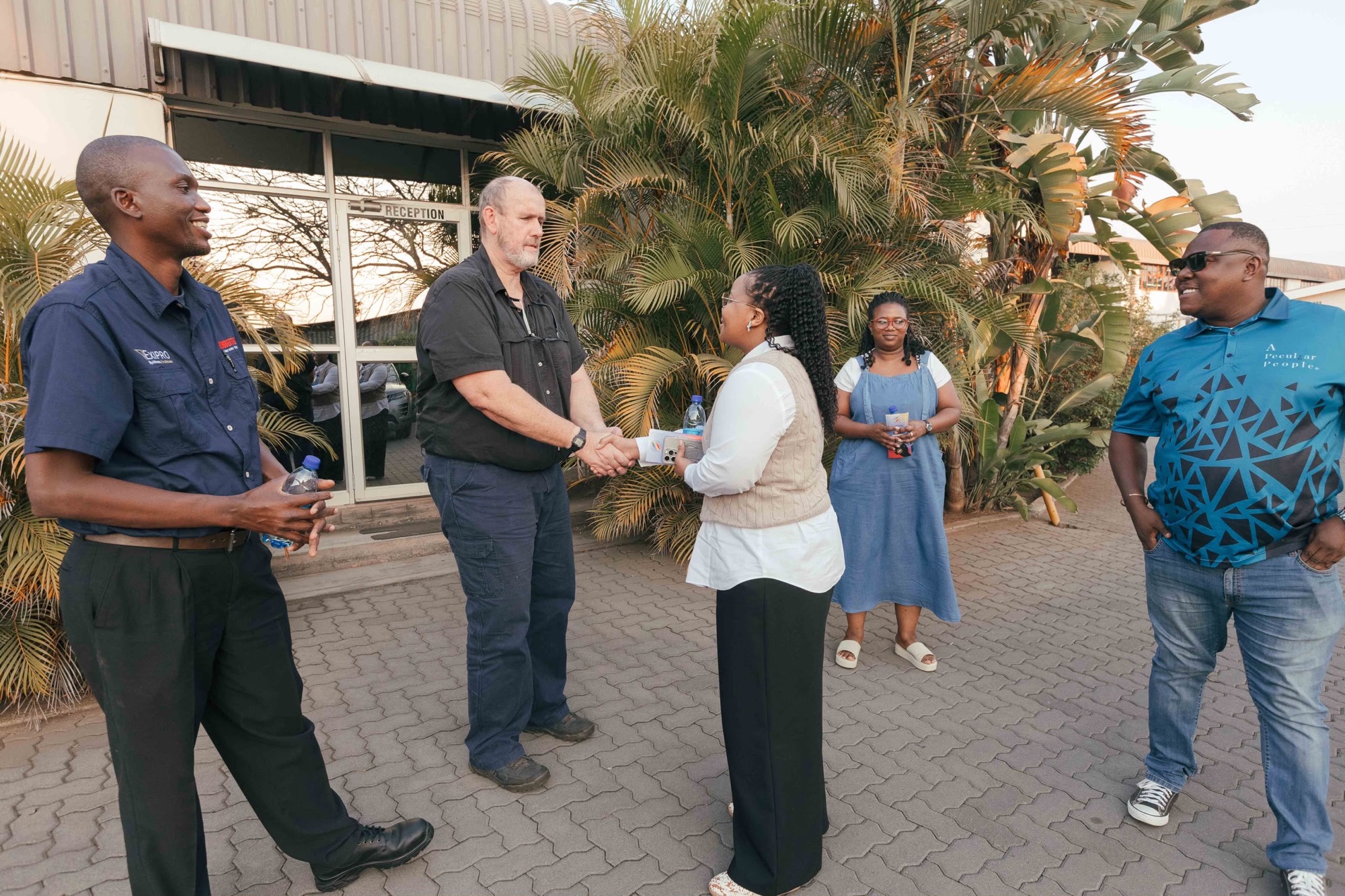
Following the consultation, Princess Sakhizwe embarked on a strategic tour to gain first-hand insight into local production and the realities facing businesses operating in the Kingdom. The tour included visits to Ngwenya Glass, Lemanti Manufacturers, Far East Textiles and Exipro, where she engaged directly with business leaders, manufacturers, entrepreneurs and employees.
The engagements provided valuable insight into local production processes, supply chains, innovation, employment creation, skills development and the challenges facing businesses contributing to Eswatini’s productive economy.

The consultation process reaffirmed that the proposed Made in Eswatini® definition should go beyond simply identifying the geographical origin of a product. Instead, it should also recognise genuine local economic contribution, including value created through employment, skills development, manufacturing capability, innovation, ethical business practices and a meaningful connection to Eswatini’s productive capacity.
Speaking on behalf of A Peculiar People, Chairman Melusi “Zox” Dlamini said the consultation had reinforced the need for a definition that reflects authentic local value creation.
He said the Made in Eswatini® mark should recognise businesses that create jobs, invest in local skills, uphold ethical and sustainable business practices and contribute meaningfully to the country’s productive economy.

Dlamini added that the proposed definition is being designed to strike a balance between credibility and inclusivity, while remaining practical enough to reflect the realities of sectors such as manufacturing, agriculture, tourism, textiles, hospitality, services, technology, crafts, food production and small enterprises.
A comprehensive report analysing the findings and recommendations from the consultation is expected to be released to the public on July 10, 2026, as part of efforts to promote transparency and guide the next phase of the process.
The final definition, which will soon be officially launched by Princess Sakhizwe, is expected to make clear distinctions between products that are fully made in Eswatini, those that are substantially transformed or value-added in Eswatini, services and experiences primarily delivered from Eswatini, and products that are imported, repackaged or merely branded locally and therefore do not qualify.
Reflecting on the consultation and tour, Princess Sakhizwe expressed appreciation for the patriotism, openness and commitment shown by stakeholders throughout the Kingdom. She said the process had deepened her appreciation of the ingenuity, resilience, skills and dedication of emaSwati and reinforced the importance of ensuring that the Made in Eswatini® definition reflects the true value created by local entrepreneurs.

She also expressed confidence that the mark would become a symbol of trust and pride that encourages consumers to choose local with confidence, inspires producers to uphold sustainable and ethical business practices, and empowers future generations to innovate and invest in Eswatini.
The forthcoming announcement of the Made in Eswatini® Definition is expected to mark an important milestone in Eswatini’s economic development by promoting authentic local production, strengthening enterprise development and encouraging consumers to intentionally support goods and services that create meaningful value within the Kingdom.