
 11
11
The Kingdom of Eswatini recorded a notable increase in visitor arrivals during the Easter period of April 2026, reaffirming its position as a growing regional tourism destination despite evolving travel dynamics.
According to the latest tourism performance report, the country welcomed a total of 44,016 visitors, marking an 11.5% increase compared to the same period in 2025. This growth was largely driven by regional travel and the return of emaSwati residing abroad, highlighting the continued importance of diaspora and cross-border movement in shaping the country’s tourism landscape.
Of the total arrivals, 20,868 were international visitors, while 23,148 were emaSwati returning home, accounting for over half of all arrivals. Peak travel was recorded around the Good Friday period, further emphasising the cultural and religious significance of Easter as a key travel season.
Regional Markets Continue to Dominate
The Southern African region remained Eswatini’s strongest source market, with South Africa contributing 69.9% of arrivals, followed by Mozambique at 12.3% and Zimbabwe at 6.1%. Smaller but significant numbers were recorded from countries such as Malawi and the United States, reflecting Eswatini’s growing international reach.
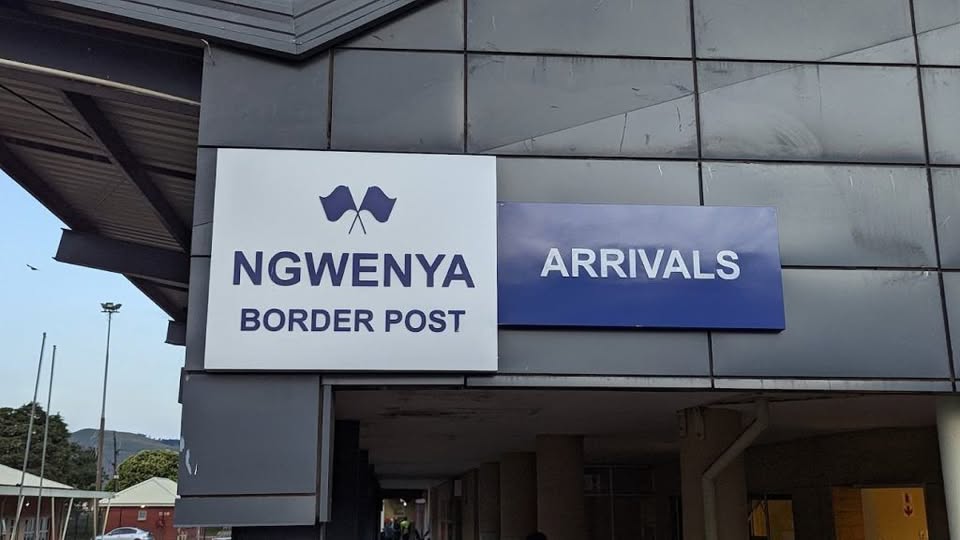
Key entry points into the country included Ngwenya, Matsamo, Mahamba and Lavumisa border posts, with Ngwenya recording the highest traffic. King Mswati III International Airport also contributed to the steady inflow of visitors.
Nature-Based Tourism Leads Accommodation Trends
While arrivals surged, accommodation occupancy presented a more moderate performance. Overall occupancy stood at 41.1%, a decline from the previous year, influenced in part by external economic pressures such as rising fuel prices, which affected travel decisions and last-minute bookings.

Game and nature reserves emerged as the top performers, recording 57% occupancy, reinforcing Eswatini’s appeal as a nature and eco-tourism destination. Hotels followed at 42%, while guesthouses and B&Bs recorded 38% and 36% respectively, reflecting continued demand for affordable and flexible lodging options.
Regionally, Mbabane and the Ezulwini Valley led occupancy rates at 53%, benefiting from their strategic location within the country’s tourism corridor, rich in cultural attractions and hospitality offerings.
Tourism Remains a Key Economic Driver
Commenting on the performance, Eswatini Tourism Authority CEO, Vusie N Dlamini emphasised the sector’s resilience and importance to national development.

“Tourism continues to play a vital role in driving economic growth, supporting local businesses and creating opportunities for our communities. The encouraging growth in arrivals, particularly from regional markets and returning emaSwati, demonstrates the strength of our destination offering,” he said.
Dlamini further highlighted the importance of promoting experiential travel, noting that visitors are increasingly drawn to Eswatini’s unique blend of culture, nature and adventure.
“By choosing to explore Eswatini, travellers are not only discovering our beautiful landscapes and rich heritage, but also contributing directly to the livelihoods of emaSwati,” he added.
Looking Ahead
Despite the mixed performance in accommodation, the overall increase in arrivals signals a positive trajectory for Eswatini’s tourism sector. With continued focus on regional markets, experiential tourism, and strategic partnerships, the Kingdom remains well-positioned to strengthen its appeal as a preferred travel destination in Southern Africa.
As travel trends continue to evolve, Eswatini’s ability to adapt, innovate and showcase its authentic experiences will be key to sustaining growth and unlocking new opportunities within the sector.


