
 11
11
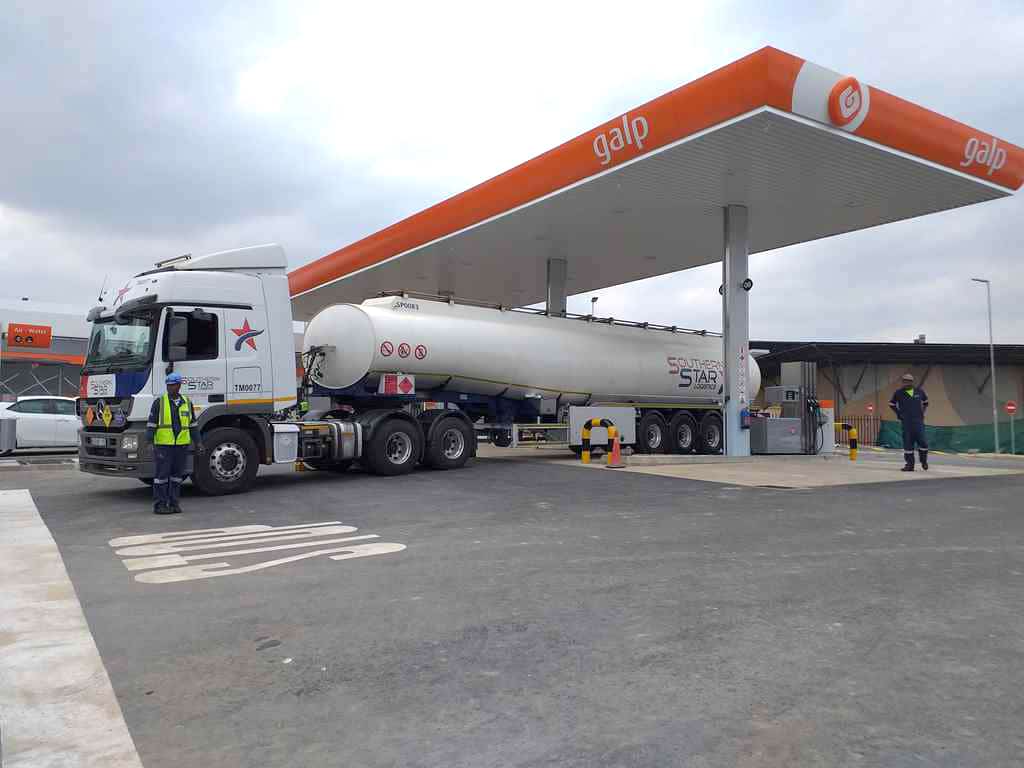
The Kingdom of Eswatini’s Ministry of Natural Resources and Energy has announced a fuel price adjustment effective Friday, 3 April 2026, a decisive intervention aimed at responding to escalating global oil market pressures while shielding consumers from the full impact of rising costs.
Under the new pricing structure, Unleaded Petrol (ULP95) will increase from E19.45 to E22.35 per litre, Diesel (0.005% S) from E19.85 to E25.20 per litre, and Illuminating Paraffin from E14.20 to E19.50 per litre. While the adjustments are substantial, the Ministry has framed them as part of a transparent and proactive approach to managing an increasingly volatile fuel market.
The revision is primarily driven by ongoing geopolitical instability in the Middle East, which has disrupted global fuel supply chains and driven up oil prices. Brent crude oil averaged US$104 per barrel in March 2026, a sharp increase from US$69 per barrel recorded in February. This surge resulted in local petroleum product deficits of up to E12.14 per litre, making a price adjustment unavoidable.
Crucially, the government has moved to cushion consumers from the full extent of these increases. A combined deficit of E332 million, incurred by oil companies over March and April 2026, will be absorbed through the Strategic Oil Reserve Fund, Eswatini’s key fuel stabilisation mechanism rather than passed on entirely to the public.
Principal Secretary Lindiwe F. Mbingo urged citizens to exercise caution and efficiency in fuel use, noting the continued volatility of global oil markets amid ongoing geopolitical tensions.
Her remarks strike a balance between caution and reassurance acknowledging the difficult global environment while underscoring the government’s commitment to protecting citizens during periods of economic strain.

For households that depend on illuminating paraffin, particularly in lower-income communities, the intervention is especially significant. Without support from the stabilisation fund, the price increase could have been considerably more severe.
Importantly, the adjustment does not mean that travel and mobility must come to a halt. Instead, it calls for more mindful planning, from consolidating trips and carpooling to choosing fuel-efficient routes. With thoughtful preparation, both individuals and businesses can continue to move, connect, and operate despite the rising costs. For those travelling within and visiting Destination Eswatini, the message remains clear: the Kingdom is still open and accessible, with rewarding experiences awaiting, best enjoyed through well-planned, efficient journeys.
As global energy markets remain unpredictable, Eswatini’s decision to absorb a substantial portion of the cost surge reflects a broader policy stance: that the burden of international volatility should not fall disproportionately on the nation’s most vulnerable.


