11
11
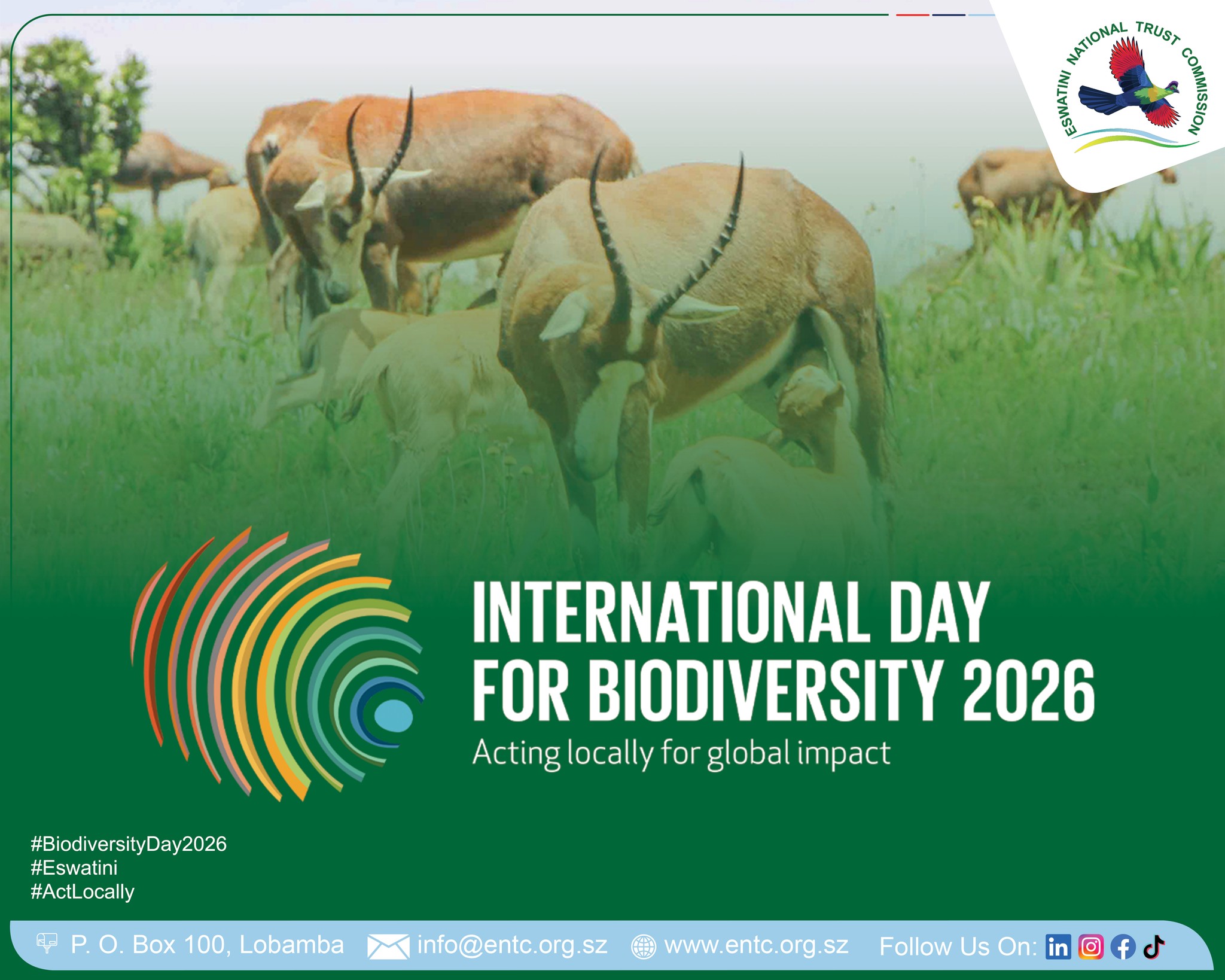
As the world commemorates International Day for Biological Diversity (IDB) on 22 May under the theme “Acting Locally for Global Impact,”Eswatini is highlighting the importance of community-driven conservation in protecting ecosystems and livelihoods across the Kingdom.
From the Highveld grasslands to the Lubombo savannahs, biodiversity remains central to food security, economic stability, cultural heritage, and climate resilience in Eswatini. However, increasing threats such as land degradation, habitat fragmentation, invasive species, and climate change continue to place pressure on these ecosystems.
According to Sandile Gumedze, Senior Ecologist at the Eswatini National Trust Commission (ENTC), biodiversity conservation must remain a national priority.
“Biodiversity is not a peripheral concern. It is at the heart of everything we are working to protect and sustain in Eswatini. Our landscapes, our cultural practices, and our livelihoods are deeply intertwined with the health of our ecosystems,” said Gumedze.
He added that protecting biodiversity requires collective action from communities, traditional leaders, young people, and institutions alike.

The ENTC, working closely with the Ministry of Tourism and Environmental Affairs (MTEA), continues to lead efforts to implement the Convention on Biological Diversity and strengthen national conservation strategies. Central to this work is the ongoing review of Eswatini’s National Biodiversity Strategy and Action Plan (NBSAP 3.0), which aligns national conservation priorities with the Kunming-Montreal Global Biodiversity Framework (KMGBF).
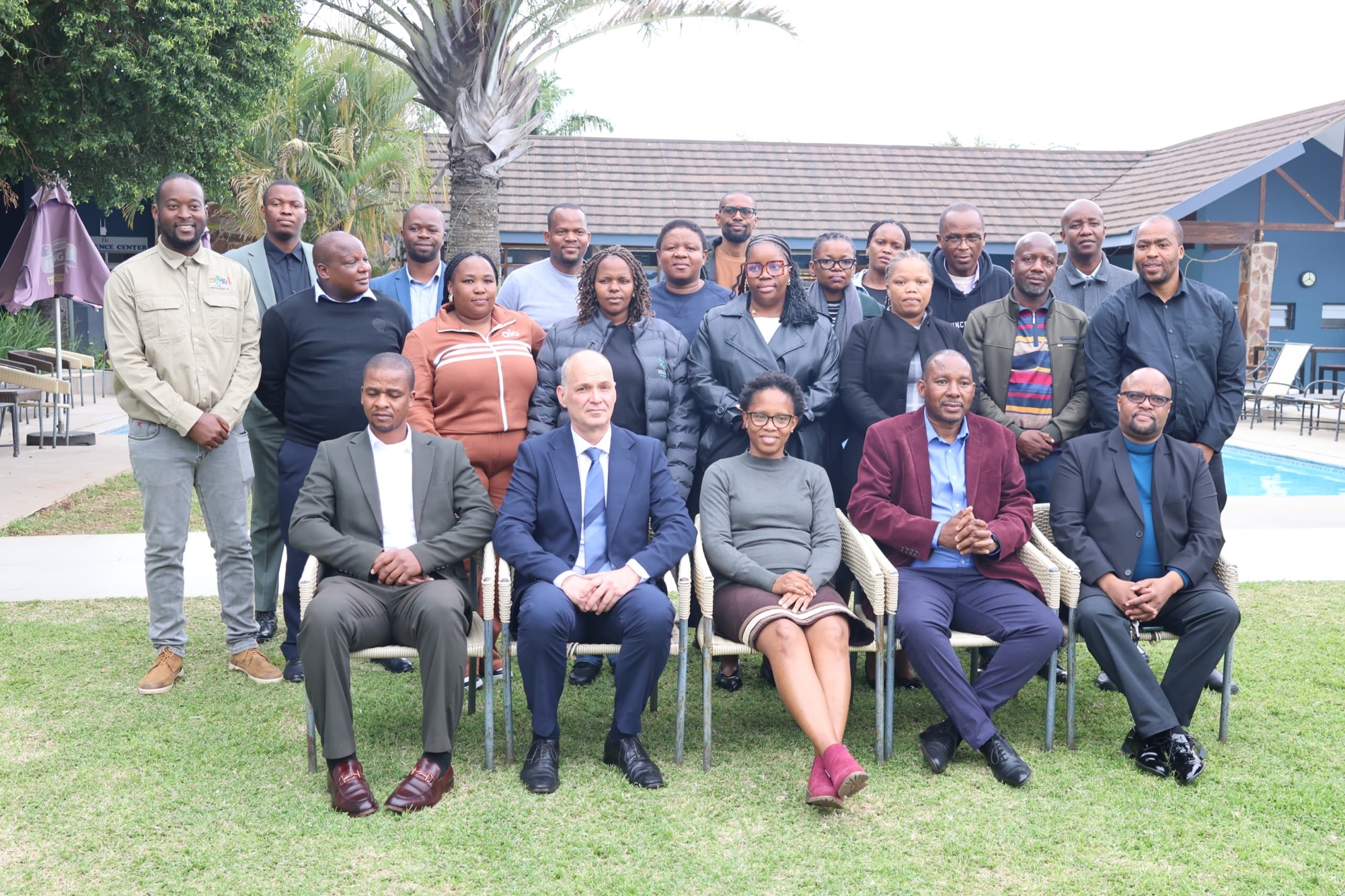
The review process, conducted through the project “Accelerating Systematic Change for Gender Equality and Biodiversity Conservation through NBSAPs,” has also produced a Gender Situational Analysis and a Gender Plan of Action to ensure conservation efforts remain inclusive and gender-responsive.
Consultations have included traditional leaders, youth, biodiversity practitioners, the agricultural sector, women, men, and persons with disabilities, ensuring the updated strategy reflects the needs and realities of communities across the country.
Gumedze said the consultation process has demonstrated strong public interest in environmental protection.
“When communities are given meaningful platforms to participate, they bring invaluable knowledge. Indigenous land management practices, traditional water conservation methods, and oral knowledge of plant species are assets we cannot afford to overlook in the fight against biodiversity loss,” he said.
The whole-of-society approach promoted through the IDB theme recognises that biodiversity protection cannot be achieved by government institutions alone. Communities, civil society, academia, the private sector, and conservation practitioners all have a role to play in safeguarding Eswatini’s natural heritage.
Among the country’s key conservation initiatives is the GEF-funded Mbuluzi landscape project, which focuses on ecosystem restoration, integrated natural resource management, and sustainable land-use practices within the Mbuluzi River Basin.
As Eswatini joins the global commemoration of IDB 2026, the message remains clear: every local action contributes to global biodiversity goals. Whether through sustainable farming, protecting sacred forests, advocating for green spaces, or adopting environmentally responsible business practices, every emaSwati has a role in preserving the Kingdom’s natural heritage for future generations.