11
11
By: Nonophile Khumalo
EZULWINI – Eswatini is adding a colourful new dimension to its tourism story as local fashion designers transform culture, creativity and heritage into designs that visitors can see, wear and take home.
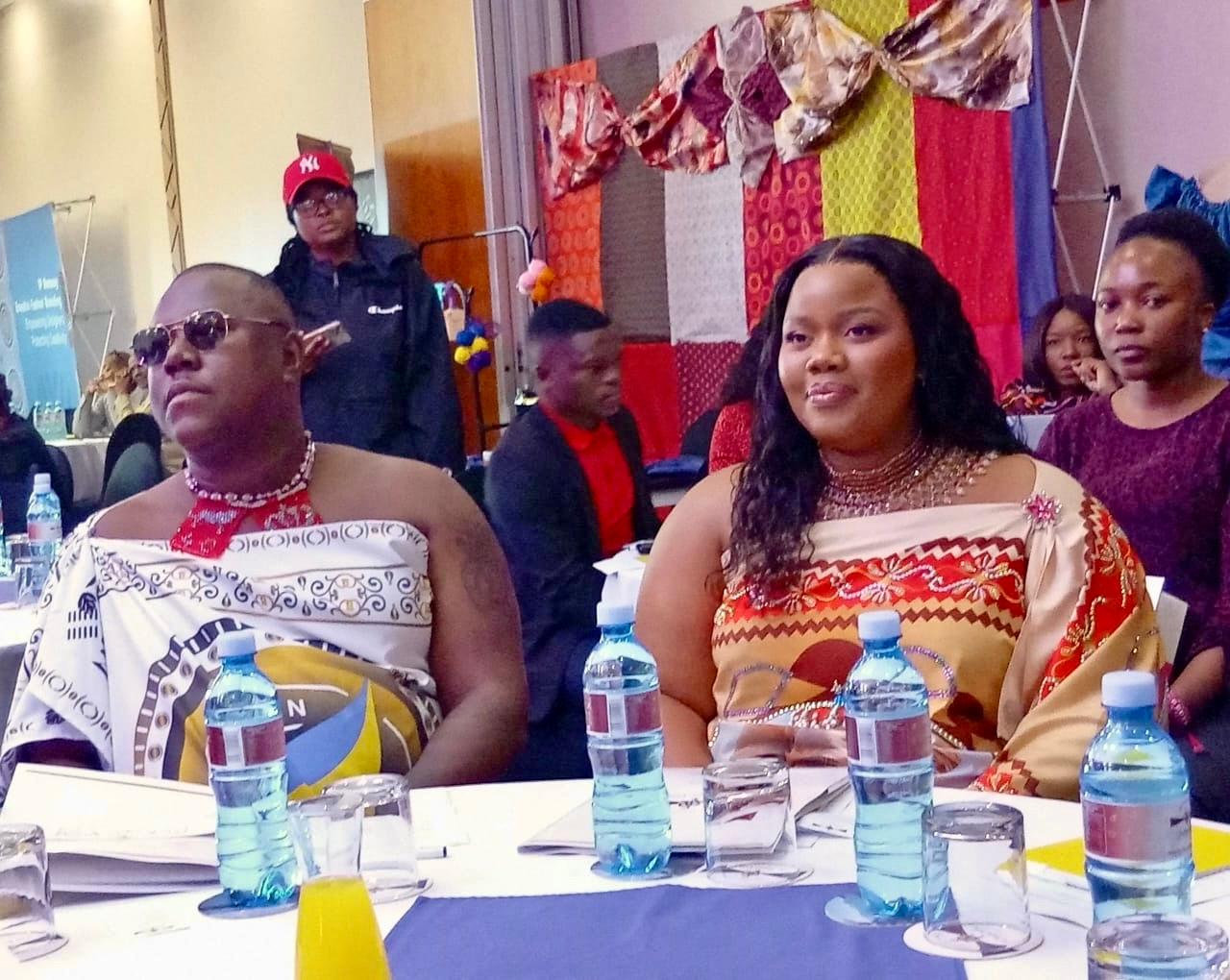
This was showcased at the IP Runway: The Business of Fashion workshop, held at Royal Villas on on August 20, 2026, where fashion was presented as more than clothing, but as a powerful medium for telling the Eswatini story to the world.

Delivering the keynote address, Princess Sakhizwe spoke passionately about her love for fashion, furniture and art, while highlighting the potential of Eswatini’s creative industry.
She said local designers possess something unique that cannot simply be replicated, as their work reflects the country’s story, heritage, culture and imagination.
For the tourism sector, this presents an opportunity for visitors to experience Eswatini in a different and more personal way.

A garment created by a local designer can tell a story about the Kingdom while offering visitors something tangible to take home. Rather than leaving with only photographs and memories, tourists can carry a piece of Eswatini’s creativity and identity with them.
Princess Sakhizwe also reflected on her experience at the Standard Bank Luju Food and Lifestyle Festival, where she said she was impressed by the quality, creativity and confidence displayed by local fashion designers.
The event further advanced the “Experience Eswatini” concept, positioning the Kingdom as more than a destination, but as an experience rooted in its culture, food, art, music, craftsmanship and creativity.
Fashion fits naturally into this experience.
Visitors can discover local designers, encounter Eswatini-inspired creations at events and purchase locally made pieces that serve as lasting reminders of their journey.
Chairman of A Peculiar People, Melusi Zox Dlamini, said Eswatini has hundreds of entrepreneurs, innovators, designers and creatives producing exceptional products, but many continue to face challenges relating to visibility, opportunities, market access and trust.
He called for stronger support for the creative industry, including greater participation of local producers in Government procurement. He said this could help create demand, grow businesses and generate employment opportunities.

Dlamini also challenged local creatives to make their work “impossible to ignore”, emphasising the importance of ensuring that Eswatini-designed products are visible on leaders and people representing the country.
The IP Runway demonstrated that Eswatini’s tourism story can be told through more than its landscapes and cultural attractions. It can also be expressed through a beautifully designed garment, a piece of local art or a creative product carrying the identity of the Kingdom.
Eswatini fashion is therefore more than style – it is a tourism experience, a business opportunity and a powerful way for visitors to wear the story of the Kingdom wherever they go.