
 11
11
By: Nonophile Khumalo
MBABANE – The resumption of cattle movement into Eswatini following restrictions linked to foot-and-mouth disease could bring welcome relief to the country’s livestock, hospitality and food service industries, while also strengthening the connection between agriculture and tourism.
Agriculture Minister Mandla Tshwawa has announced that cattle can now be transported into Eswatini, subject to strict veterinary controls. All cattle entering the country will undergo the required health measures and quarantine procedures before being released.

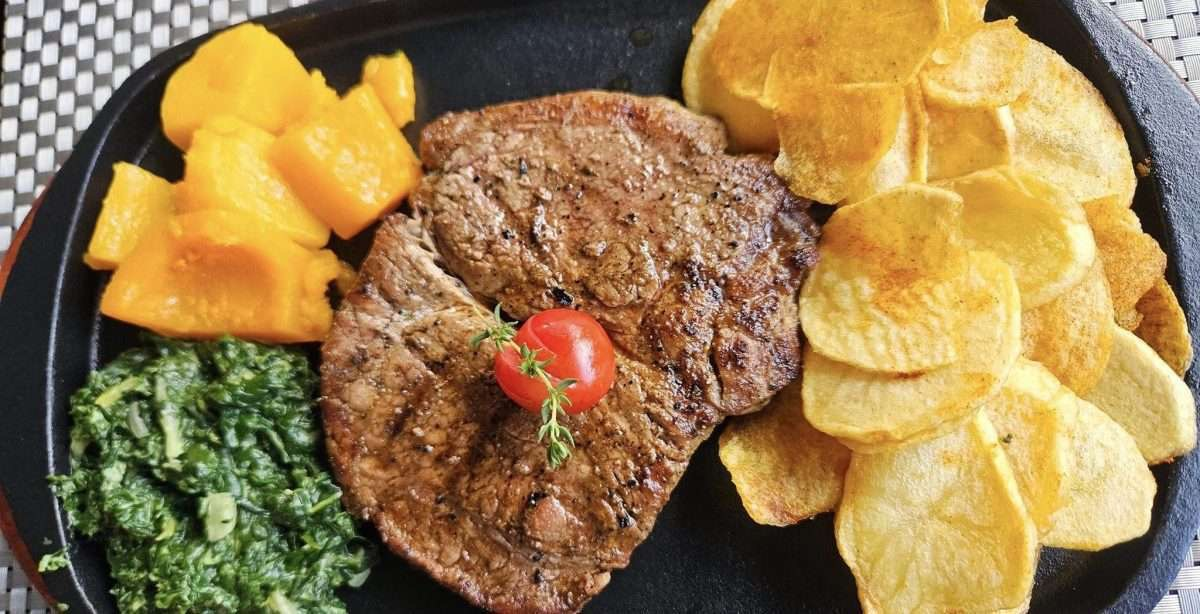
While the development is particularly significant for farmers and livestock traders, its impact could extend to the eatery and tourism industries, where beef and other livestock products form part of the food experience offered to visitors.
For restaurants, lodges, hotels, butcheries and other food businesses, a more reliable movement of cattle could help ease pressure on the local beef supply chain. Greater availability of locally sourced beef could support businesses that depend on consistent supplies while also creating opportunities to showcase Eswatini-produced food to domestic and international visitors.
Food is an important part of the tourism experience, and visitors increasingly seek authentic destinations where they can experience local flavours, traditional dishes and locally sourced ingredients. Eswatini’s livestock sector therefore has a role to play in strengthening the country’s culinary tourism offering.

Cattle also carry deep cultural significance in Eswatini. Beyond their economic value, they are associated with traditional ceremonies, community gatherings, livelihoods and the rural way of life. For visitors travelling through the country, cattle are part of the landscape and provide a glimpse into the traditions and communities that shape the Eswatini experience.
The resumption of cattle movement could therefore have a ripple effect across rural economies. Farmers and livestock traders stand to benefit directly, while restaurants, accommodation establishments, tourism operators and communities could benefit from increased economic activity linked to agriculture.
For rural tourism, this is particularly relevant. Many tourism experiences take visitors away from major towns and into communities where agriculture, livestock farming and traditional lifestyles remain central to everyday life. Healthy and productive livestock communities contribute to the authenticity of these experiences.
The reopening of cattle movement, however, does not mean that disease-control measures have been relaxed. Farmers and traders will still be required to comply with veterinary regulations, while quarantine and monitoring will remain important tools in protecting the country’s livestock population.
For the tourism and hospitality sector, maintaining a healthy livestock industry is equally important. A stable agricultural supply chain can support food businesses while helping Eswatini strengthen its reputation for authentic, locally connected tourism experiences.

As the country continues to promote rural, cultural and culinary tourism, the controlled resumption of cattle movement represents more than a development for farmers. It could help ease supply pressures for the eatery industry, support rural livelihoods and reinforce the role of agriculture in creating the authentic experiences that attract visitors to Eswatini.
The development marks another step towards restoring normal livestock movement while safeguarding the agricultural sector and the rural communities that remain an important part of Eswatini’s tourism story.


