11
11
By Tlalane Dlamini
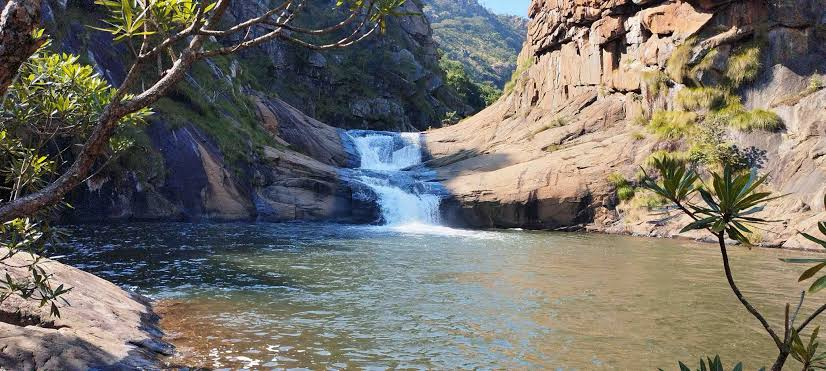
Eswatini’s natural heritage, from its rivers and waterfalls to its forests, grasslands and diverse wildlife, is an integral part of the Kingdom’s identity and heritage. Now, the public has an opportunity to play a direct role in shaping how this precious biodiversity is protected and conserved for generations to come.
The Draft Eswatini National Biodiversity Strategy and Action Plan (NBSAP 3.0) is officially open for public review, with stakeholders across the country invited to read the document, provide comments and contribute to strengthening the strategy before it is finalised.
As a Party to the Convention on Biological Diversity (CBD), Eswatini is committed to implementing the Kunming Montreal Global Biodiversity Framework (GBF), a global framework that guides countries in conserving biodiversity and promoting the sustainable use of natural resources.
With support from the Global Environment Facility (GEF) and the United Nations Environment Programme (UNEP), Eswatini has updated its National Biodiversity Strategy and Action Plan.
Once finalised, NBSAP 3.0 will serve as the country’s principal strategic framework for biodiversity conservation, guiding the implementation of the Global Biodiversity Framework across different sectors of government and society.
Its scope extends across key areas including agriculture, tourism, urban development, natural resource management and community land use, recognising that biodiversity conservation is closely linked to the country’s broader development priorities.

A national strategy of this scale is most effective when it reflects the experiences, priorities and aspirations of the people it is intended to serve.
The Draft NBSAP 3.0 is therefore open for comments, suggestions and recommendations from stakeholders, organisations, communities and members of the public. The feedback received will help strengthen the document before it undergoes validation and is considered for adoption as a national policy framework.
Whether you are a conservation professional, community leader, business owner, tourism operator or simply someone who cares about Eswatini’s natural environment, this is an opportunity to contribute to the country’s biodiversity future.
Public participation can help ensure that the strategy reflects practical, local realities and addresses the challenges and opportunities experienced by communities and stakeholders across the country.

Members of the public and other stakeholders can participate by reviewing the draft and submitting their comments through the available channels.
Read the Draft NBSAP 3.0:
Access the document here: https://lnkd.in/demG_pG3
Submit your comments and input:
Share your feedback here: https://lnkd.in/dQfJpE43
Use the QR codes:
The official NBSAP 3.0 poster features two QR codes. One provides access to the draft document, while the other directs users to the submission form.
Email your comments:
Comments can also be submitted directly to [email protected]
Eswatini’s biodiversity is a shared inheritance and a shared responsibility. Protecting the country’s natural resources requires collaboration between government, communities, businesses, conservation organisations and members of the public.
NBSAP 3.0 provides an important opportunity for Emaswati and stakeholders to contribute to a national framework that will guide biodiversity conservation and sustainable development for years to come.
Members of the public are encouraged to take a few minutes to read the draft, share their views and contribute to shaping a stronger and more sustainable biodiversity future for Eswatini.
Your voice can help shape the future of Eswatini’s natural heritage.
This initiative is supported by the Global Environment Facility (GEF), the United Nations Environment Programme (UNEP), and the Eswatini National Trust Commission (ENTC).