11
11
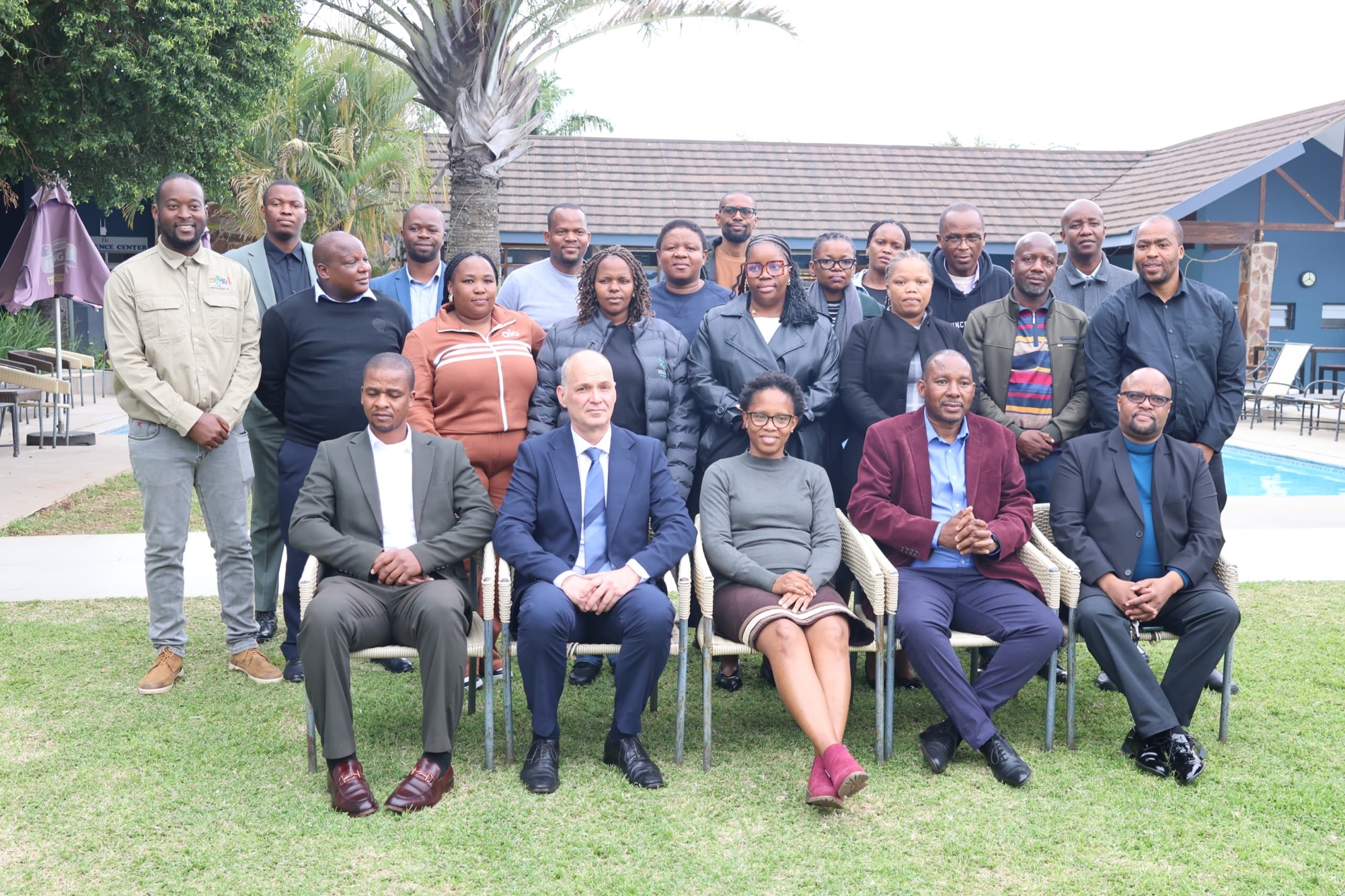
By Ntokozo Zwane
Eswatini has taken an important step towards strengthening the legal and institutional foundations of sustainable forest management with the launch of the ForestLEX+ National Inception and Capacity Development Workshop, being held from 10–11 August 2026 at The George Hotel in Manzini.
The workshop brings together government institutions, forestry and environmental authorities, development partners, academia, traditional authorities, civil society, the private sector and local communities to examine the laws, policies and institutional mandates that shape the country’s forest sector.

The Minister of Tourism and Environmental Affairs, Jane Mkhonta-Simelane, was represented by Acting Principal Secretary Duduzile Nhlengetfwa-Masina. The Minister welcomed participants and FAO partners, describing the workshop as an important milestone in strengthening Eswatini’s forest governance framework.
In her remarks, the Minister highlighted that forests are central to the wellbeing of the nation, sustaining water catchments, protecting soils, supporting agriculture and tourism, providing rural livelihoods and forming part of Eswatini’s natural and cultural heritage. With climate change becoming increasingly pronounced, she stressed that sound forest governance is a national imperative.

ForestLEX+ is a Food and Agriculture Organization of the United Nations (FAO) initiative designed to help countries strengthen forestry legislation, improve implementation and enforcement, and promote greater coherence across sectors affecting forests and natural resources. For Eswatini, the programme provides an opportunity to map legislation and institutional responsibilities while developing a country profile.
The Minister further emphasised that the workshop comes at an opportune time as work continues on the Forest Bill, with the process expected to contribute towards a coherent, comprehensive and environmentally responsive legal framework.

For a destination celebrated for its landscapes and cultural heritage, protecting forests is closely linked to maintaining the environmental resources that support sustainable tourism. Effective forest governance can therefore help safeguard ecosystems while supporting communities and strengthening climate resilience.
FAO’s continued technical support was acknowledged, alongside the participation of stakeholders whose collective expertise will contribute to the legislative mapping process. The workshop was formally declared open, with participants encouraged to engage actively in discussions and working groups.