11


BY PHUMELELE GAMEDZE
EZULWINI – Eswatini has opened a three-day national validation of its Second Biennial Transparency Report, Fifth National Communication and Gender and Climate Change Assessment Report, ahead of their submission to the UNFCCC by 31 December 2026.
The workshop, running from 25 to 27 November at Sibane Sami Hotel, Zulwini, brings together government institutions, development partners, civil society, academia and other stakeholders to scrutinise the country’s climate information before it is finalised for international reporting.
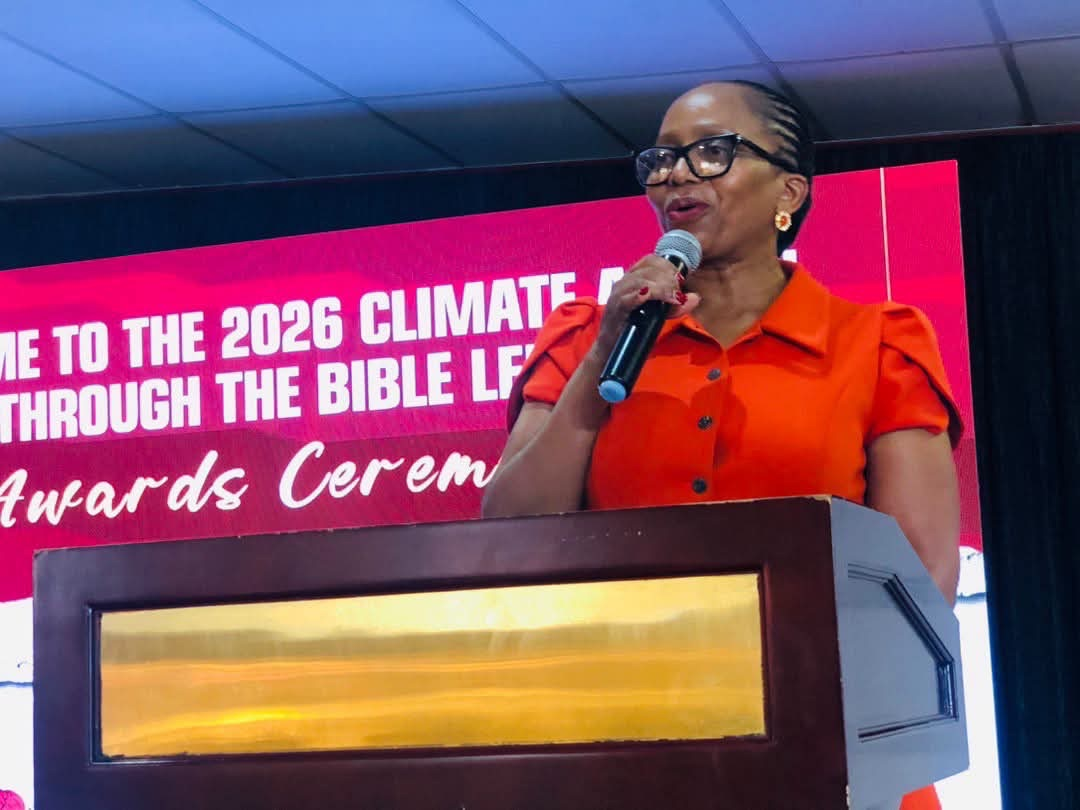
Officially opening the workshop, Minister of Tourism and Environmental Affairs Jane Mkhonta-Simelane said climate change was already affecting the country’s development, with recurring droughts, erratic rainfall, heatwaves and storms placing pressure on water, agriculture, health, infrastructure and livelihoods.

“Climate change is therefore not only an environmental issue, but a development issue that touches every sector represented in this room,” she said.
The Minister said Eswatini had committed to regular and transparent reporting under the Paris Agreement’s Enhanced Transparency Framework. The country submitted its first Biennial Transparency Report in December 2024 and has since submitted its third Nationally Determined Contribution, NDC 3.0.
Kuhle Hlophe, Project Coordinator for the reporting process, said the validation was intended to verify the country’s data before submission.
The reports cover greenhouse gas emissions, progress in implementing national climate commitments, adaptation measures, and financial, technological and capacity-building support received and still required.
The Gender and Climate Change Assessment Report examines how climate impacts affect women, men, young people and vulnerable groups differently, while identifying opportunities for more inclusive climate action.
The Minister urged participants to identify missing information and correct inaccuracies, stressing: “These are not reports of the Ministry alone; they are our national reports, and their quality depends on your contributions.”
She said credible reporting would inform national planning and budgeting while strengthening Eswatini’s case for climate finance, technology and capacity-building support.