
 11
11
By Tlalane Dlamini
EZULWINI— Water may not always be the first thing that comes to mind when discussing tourism, but for every destination, it is one of the foundations of a memorable visitor experience.
From hotels and lodges to restaurants, attractions, events and communities, reliable access to water quietly supports almost every part of the tourism value chain.
It is against this backdrop that the Eswatini Water Services Corporation (EWSC) has launched its Konkhe Nga Water campaign, positioning water not simply as a utility service, but as an essential enabler of everyday life, economic activity and national development.

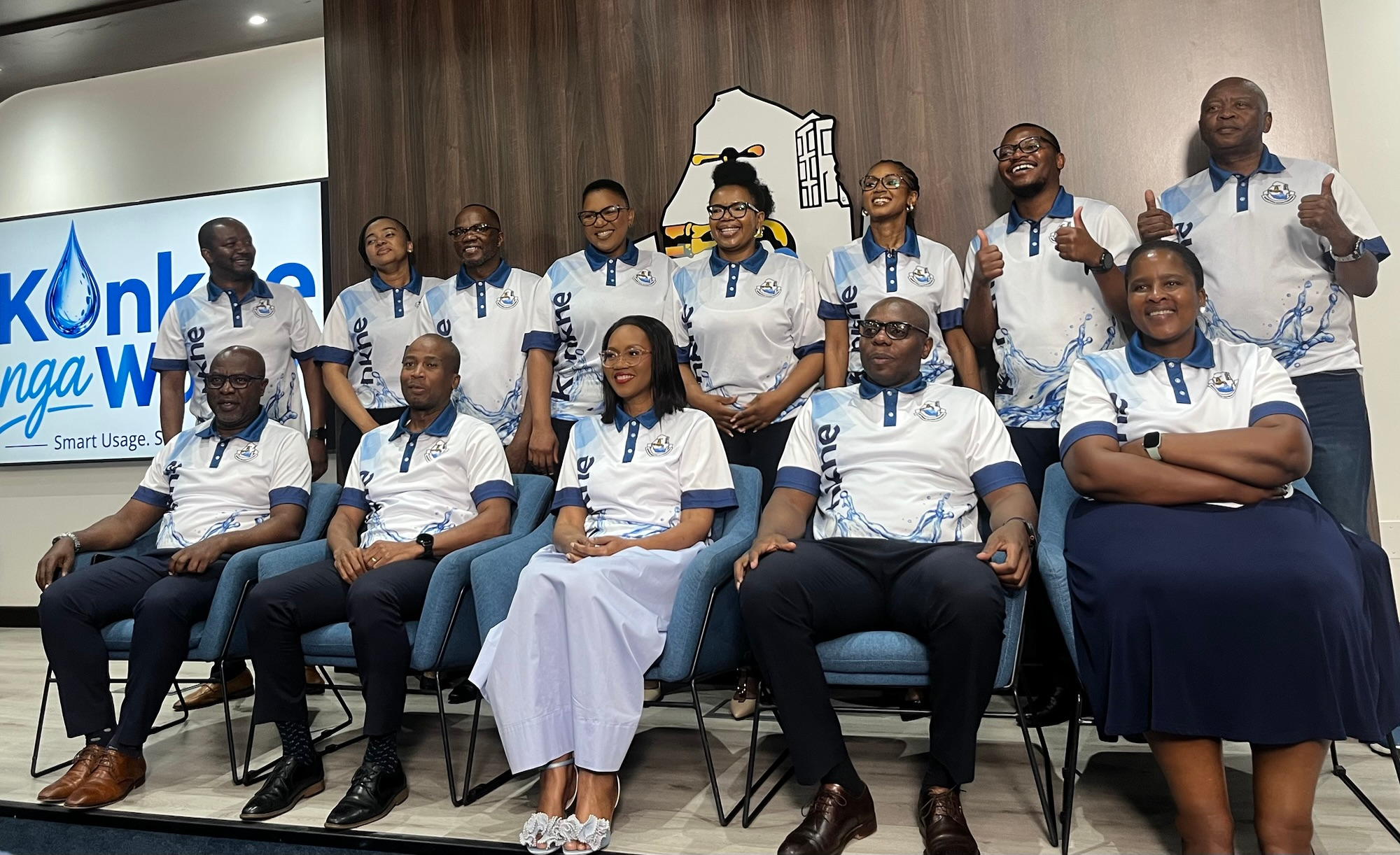
Unveiled during a media engagement on August 25, 2026, the campaign seeks to create greater awareness around the value of water while encouraging customers to make use of EWSC’s increasingly digital and convenient services.
For Eswatini’s tourism sector, the message carries particular significance.
A destination’s competitiveness is influenced not only by its scenery, culture and attractions, but also by the quality and reliability of the infrastructure supporting the visitor experience. Water is fundamental to accommodation establishments, food and beverage businesses, conference venues, wellness facilities, public spaces and tourism attractions.

EWSC Managing Director Jabulile Mashwama said the campaign was designed to bring together several initiatives under one message, including improved access to water, customer empowerment, digital services and responsible water use.

She emphasised that water is closely connected to development, with implications stretching across households, businesses, education, health and other sectors.
For tourism operators, this places water security firmly within the broader conversation about destination sustainability.
The Konkhe Nga Water campaign also introduces a strong customer-service and digitalisation component. EWSC is encouraging customers to make greater use of digital platforms for services such as payments, account management and reporting faults, reducing the need for customers to visit service centres physically.

This shift has relevance for tourism businesses operating in an increasingly digital environment, where efficiency, convenience and responsive infrastructure are becoming integral to competitiveness.
The Corporation is also accelerating its prepaid water metering programme, with the rollout now targeted for completion by 2029, one year earlier than the original five-year implementation period. More than 5,000 customers have already benefited from the system.
According to EWSC Senior Manager for ICT Innocent Mkhombe, prepaid metering gives customers greater visibility of their water consumption and allows them to manage usage more deliberately.

For a tourism industry increasingly focused on sustainability, such visibility could support efforts by accommodation establishments and other tourism businesses to monitor consumption and promote responsible water use.
Eswatini’s tourism proposition is built around experiences that connect visitors with the country’s landscapes, wildlife, culture and communities. Ensuring that the infrastructure behind those experiences remains reliable and sustainable is therefore an important part of protecting the destination’s long-term appeal.
The campaign’s message, “Konkhe nga Water: Everyday made easy” , ultimately extends beyond convenience.
It is a reminder that the visitor enjoying a shower after a day exploring the mountains, the restaurant preparing a traditional Swati meal, the lodge maintaining its gardens, or the event venue welcoming hundreds of guests all depend on the same essential resource.
As Eswatini continues to position itself as a competitive and sustainable destination, water is increasingly part of the tourism story , even when it remains behind the scenes.


