
 11
11
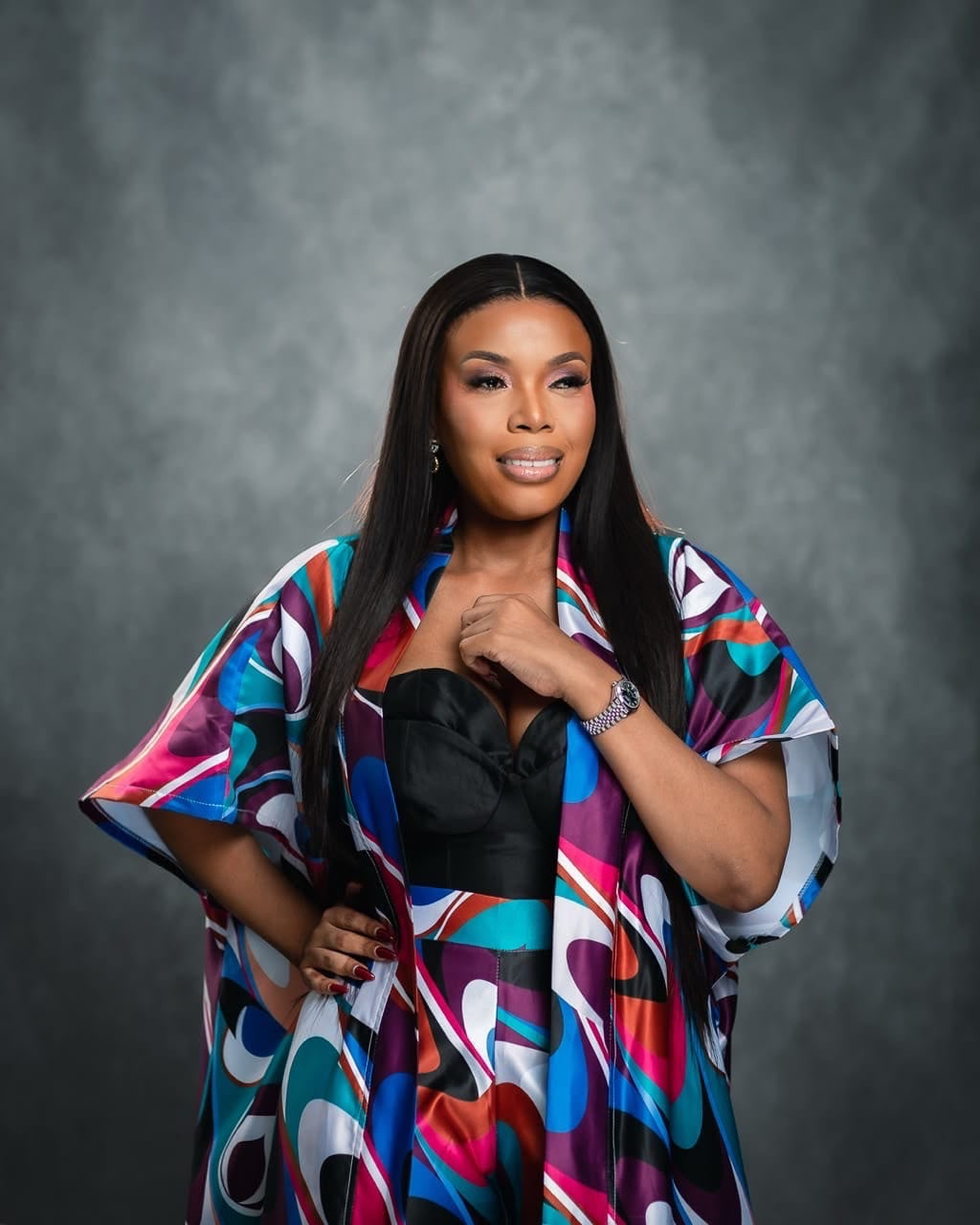
By Tlalane Dlamini
Women’s Month is often marked by conversations around leadership, empowerment and equality. For Dr Vivian Mokome, founder of DGN (Dignity) Organic Sanitary Pads, empowerment also means giving women the opportunity to make informed choices about something as fundamental as menstrual health.
From South Africa to the wider SADC region, Mokome is building a conversation around an issue that affects millions of women and girls every month, yet is often discussed quietly.
Her message is that period care should go beyond simply providing sanitary products. It should also consider dignity, accessibility, safety, choice and the broader social and environmental issues surrounding menstrual health.
As Women’s Month unfolds across the region, greater attention is being placed on the products women use during menstruation and the materials from which they are made.
Concerns raised in public discussions about potentially harmful substances, including endocrine-disrupting chemicals, have also contributed to growing calls for greater transparency and accountability within the menstrual-care industry.
For Mokome, women should not simply be consumers in that conversation. They should have a voice in shaping it.

For DGN, this means encouraging women to ask questions about the products they use while advocating for greater transparency and more responsible approaches to menstrual care.
DGN’s regional ambitions give the conversation a broader Southern African dimension.
The brand has developed a presence in the SADC region and the United Kingdom, supported by a network of around 10 000 ambassadors. The initiative has also created employment opportunities, connecting menstrual health with entrepreneurship and economic participation.
This speaks to a wider reality across Southern Africa: menstrual health can be closely linked to economic empowerment.

For women and girls facing financial hardship, the cost and availability of menstrual products can affect school attendance, work and participation in everyday life. Period poverty therefore remains an important part of the conversation around access and opportunity.
DGN’s products are designed in South Africa as biodegradable sanitary pads, with the brand placing emphasis on absorbent protection and a more environmentally conscious approach to feminine hygiene.
The environmental dimension adds another layer to the discussion, particularly as sustainability increasingly becomes part of conversations around everyday consumer products.

For Mokome, personal wellbeing and environmental responsibility should not have to be viewed as competing priorities.
Perhaps the strongest message emerging from Mokome’s work is that menstrual health is not a niche issue.
It sits at the intersection of healthcare, education, poverty, environmental sustainability, manufacturing and women’s rights.
And because women are the primary users of menstrual products, Mokome believes they should have a stronger voice in conversations around product standards, regulation, research and access.

This Women’s Month, the conversation therefore extends beyond celebrating women for one month. It is also about recognising and addressing the issues that shape their lives throughout the year.
For DGN, the future of menstrual care is about creating greater choice while encouraging conversations around dignity, sustainability and women’s participation in decisions that affect them.
As that conversation continues to move beyond South Africa and into the wider SADC region, one message remains clear: menstrual health deserves a much bigger seat at the table.


