
 11
11
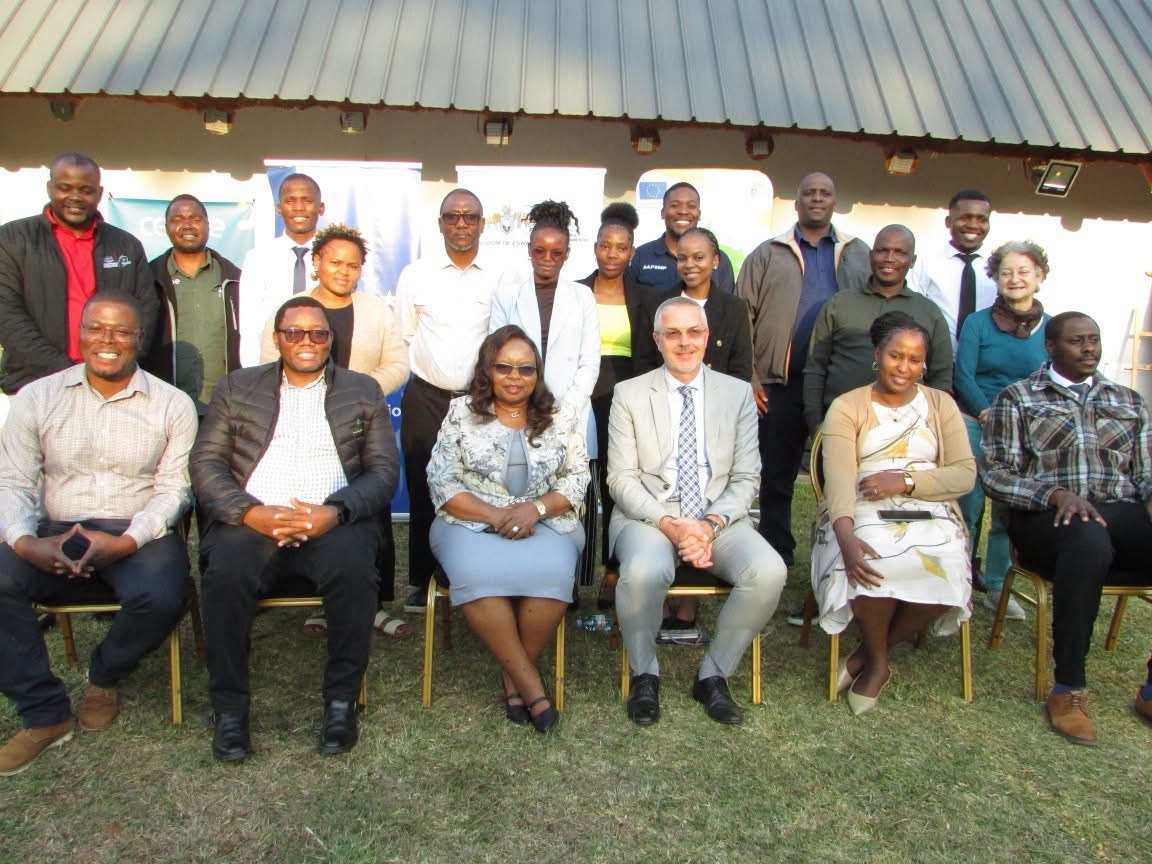
By: Nonophile Khumalo
MBABANE – Rural tourism in Eswatini is expected to receive a major boost following the launch of the Participatory Adaptation for Climate Equity (PACE) Project, an initiative aimed at strengthening climate resilience, sustainable food systems and community development.
The three-year project was officially launched at Sibane Sami Hotel on August 6, 2026 by the Minister of Tourism and Environmental Affairs, Jane Mkhonta-Simelane. It is being implemented by COSPE Southern Africa in partnership with PELUM Eswatini, with funding from the European Union.

Speaking during the launch, Mkhonta-Simelane said climate change continues to threaten livelihoods, agriculture and the country’s natural resources, making it essential for government and development partners to invest in community-led adaptation initiatives.
She said the PACE Project aligns with Government’s commitment to sustainable development by empowering communities to develop practical solutions that protect the environment while creating economic opportunities. The Minister added that preserving indigenous knowledge, promoting sustainable farming and protecting biodiversity will strengthen rural communities and enhance Eswatini’s appeal as a destination for eco and cultural tourism.

The project will be implemented in all four regions and will support communities in identifying climate risks, developing Local Adaptation Plans and accessing resources to implement climate-smart solutions.
According to the project partners, the initiative seeks to strengthen the capacity of civil society organisations, municipalities and rural communities to respond to climate change while ensuring that local priorities contribute to Eswatini’s National Adaptation Plan.
Women, young people and other vulnerable groups are expected to benefit through improved participation in climate decision-making, sustainable agriculture and food security initiatives.
Beyond strengthening climate resilience, the project is expected to create new opportunities for rural tourism by promoting agroecological farming, indigenous food systems and community-based tourism experiences. Visitors will have an opportunity to experience traditional farming practices, locally produced food and Eswatini’s rich cultural heritage, while communities benefit from increased tourism-related economic activities.
The launch also builds on previous collaborations that enabled women farmers from the Lubombo Region to showcase indigenous food products at the LUJU Food and Lifestyle Festival, helping to promote Eswatini’s culinary heritage while expanding market opportunities for rural producers.
The launch brought together government officials, development partners, civil society organisations and community representatives, who reaffirmed their commitment to working together to build climate-resilient communities while positioning rural tourism as a driver of sustainable development in Eswatini.


