
 11
11
COVERAGE POWERED BY INSTACASH
The Kingdom of Eswatini arrived at Africa’s Travel Indaba 2026 with purpose and pride, with a strong delegation led by Minister of Tourism Jane Mkhonta Simelane, Eswatini Tourism Authority CEO Vusie Dlamini, and key industry players committed to positioning Destination Eswatini on the continent’s tourism map.


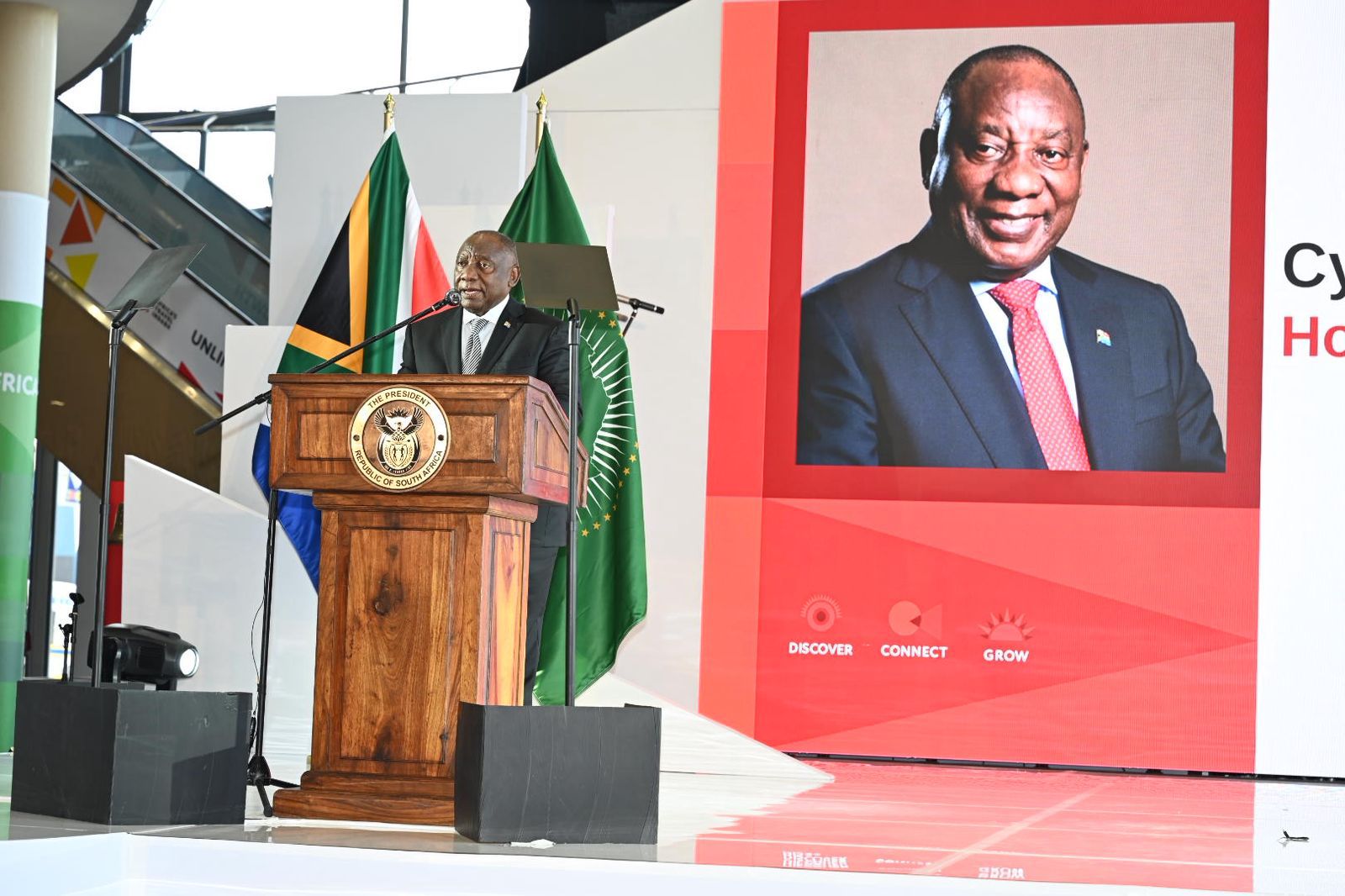
Speaking before a distinguished gathering of African ministers, tourism leaders, exhibitors, buyers, and members of the media, President Ramaphosa welcomed delegates to Durban, describing it as a city that embodies the spirit of African hospitality, where cultures meet and Africa gathers to tell its tourism story.
The President painted a compelling picture of a continent on the move. South Africa welcomed 10.5 million international visitors last year, a clear sign that the world is rediscovering the country with renewed enthusiasm, with three-quarters of those arrivals coming from the SADC region. For President Ramaphosa, that figure carries a powerful message: Africans are choosing Africa.


It is a sentiment that resonates deeply with the Eswatini delegation. The Kingdom’s participation at ATI 2026 reflects the same conviction, that intra-African travel, built on shared identity, regional connectivity, and authentic experiences, is the foundation of a thriving continental tourism economy.
On the policy front, South Africa is working with neighbouring countries to advance the SADC Tourism UNIVISA, which would enable seamless, borderless travel for tourists across SADC member states, alongside the expansion of one-stop border posts and cross-border itineraries that showcase the richness of the region. For a landlocked Kingdom like Eswatini, surrounded by South Africa and Mozambique, these developments hold significant promise for multi-destination travel itineraries that include the Kingdom as a must-visit stop.


President Ramaphosa also pointed to the power of innovation and new attractions in sustaining tourism momentum. South Africa recently launched the upgraded Cape Agulhas Lighthouse precinct and, following the opening of the Kgodumodumo Dinosaur Interpretation Centre in June 2025, more than 88,000 people visited the site, demonstrating the impact of diversified, culturally rich offerings.
On digital transformation and market diversification, the President highlighted reforms designed to make travel to the region easier. New visa reforms, including the Electronic Traveller Authorisation system and the Digital Nomad Visa, are designed to make travel more seamless, while South Africa is strengthening its presence in growth markets such as China, India, Southeast Asia, Mexico and Brazil.
The employment figures shared by the President underscored just how much is at stake. The tourism sector accounts for nearly one million direct jobs in South Africa, meaning roughly one in every 18 workers is directly employed in the sector. Across the region, those numbers are a reminder that tourism is not merely an economic statistic, it is livelihoods, families, and communities.

Closing his address with a call to collective action, President Ramaphosa framed tourism as a Pan-African imperative. Pan-Africanism is not only a political philosophy, it is a driver of economic progress and the foundation of shared prosperity. For the Eswatini delegation, those words land with particular weight. Minister Mkhonta Simelane and the team are at ATI 2026 not simply to exhibit, but to build the partnerships, forge the connections, and contribute to the conversations that will shape Southern Africa’s tourism future.


